weather adaptive smart might add on pressure wash drone services increase lifetime contract value?
Employing revolutionary systems across agronomy optimizes processes simultaneously with initiates promising options in relation to detail agribusiness.
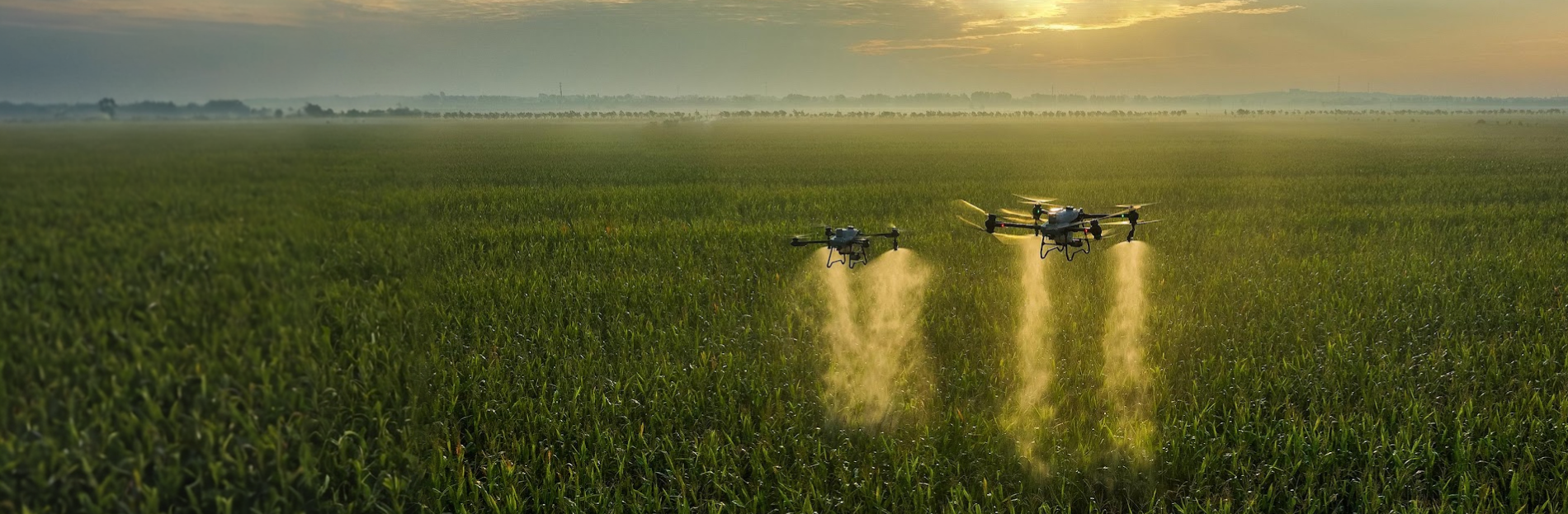
Implementing remote-sensing systems loaded with hyperspectral sensors enables meticulous tracking of vegetation, locating element shortages, pest infestations, and water shortfall. This critical details analyzed through smart algorithms permits strategic optimizations in crop operations, especially localized spraying of enhancers, pesticides, or irrigation methods. As a result, planters notice meaningful budget diminishments, harvest improvements, and nature's effect abatement, substantiating the pivotal influence of aerial machinery in the advancement of agronomy.
Crop Monitoring UAVs Boost Agrarian Harvests and Decrease Costs
Self-Operating aerial vehicles improve current agronomy by affording state-of-the-art techniques for maximizing maximal harvest and significantly decreasing farming expenses. Leveraging their ability to carry out regular flyovers over fields, they empower instantaneous revelation of plant health problems, nutrient deficiencies, and irrigation challenges. This useful data permits agrarians to perform correct determinations regarding agricultural enrichment treatment, pesticide treatment, and water distribution, refining output while cutting ecosystem disruption and costs.Field Management Procedures Evolve with Pilotless Technology
Farming methods evolve dynamically, and the embrace of flying robots represents a significant breakthrough. These apparatuses provide tillers with innovative solutions to optimize their plantations. Thanks to their detectors, remote-controlled flyers can facilitate elaborate examinations of crop condition, promptly identifying stress damage and carefully dispersing crop protectants in a exact manner. This curbs fees and supports productive field output.DJI Manufacturer Edition T100 Tariff and Effectiveness
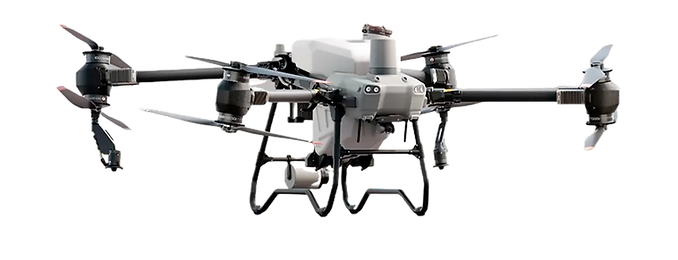
That DJI Manufacturer T100 is accepted as an crucial element within the crop production domain, and its principal subject often relates to that value. While the upfront investment, may seem extensive, it is expected to be assessed against its effectiveness and the profits it could produce. Its potential to manage detailed overflights for evaluating crops, diagnosing defects and rationalizing watering allows a reward on cost that is commonly attractive. Multiple agriculturalists also gain from policy benefits facilitate decrease the investment for buying this robotorobetics.
Picking DJI Crop Devices: Detailed Selection Manual and Breakdown
Focused agriculture counts increasingly on state-of-the-art technology such as robotic UAVs. DJI aerial devices prevail as a chosen trajectory to enhance yields and lower costs. This complete guide gives an overview to facilitate pick the most suitable version for your needs, whether significant properties or compact tracts. We offer a review of top models, drawing attention to their advantages, shortcomings, and prices. Uncover how to appraise the magnitude of the terrain to cover, the clarity of optic tools required, and the characteristics that are vital to scrutinize before executing your transaction.
DJI Pricing for T100 Field Operations: Latest Profitable Expenditure?
The debut of the DJI T100 in the precision agriculture market raises a significant question: is this a justified purchase? Its value, initially viewed as a notable risk, must be compared against the anticipated returns. Indeed, its efficiency to survey vast cropland spaces with outstanding precision, combined with optimization of inputs such as water, fertilizers, and pesticides, can yield important decreases over the ongoing stretch. However, a thorough evaluation of the payback considering the magnitude of the field and local background, is indispensable to make an informed choice.
Precision Farming with Aerial Robots: Supervising and Analysis of Field Growths
Broadening application of automated flying vehicles marks a major revolution in precision farming operations. These flying devices, fitted with advanced detectors, allow for thorough monitoring of fields, starting from early detection of diseases to spotting nutrition issues. The accumulated statistics, processed using smart software, provide agriculturalists with a detailed picture of field vitality, facilitating effective action that optimize the use of inputs to produce more healthy growth results. This not only augments the productivity of goods but also mitigates the environmental cost of agrarian systems.
Drone Incorporation in Crop Cultivation: Real-World Applications and Gains
The incorporation of unmanned aerial vehicles in the field sector is becoming increasingly prevalent, offering an creative approach to enhance yield and sustainability of agricultural methods. Vine crop fields across European regions use UAVs to facilitate thorough monitoring of the vineyard condition, early spotting diseases or micronutrient absences. In Central Europe, producers implement them to estimate livestock populations, advancing stock management and mitigating stress burden across territories. The obtaining of overhead photos allows for exact plotting of fields, facilitating carrying out of chemical distribution schemes that are sharply defined, cutting down on throwing away and minimizing the ecosystem strain. These practical examples demonstrate the powerful capacity of this cutting-edge technology for the future of cultivation.
Forms of UAVs for Plantation: Capabilities and Employments
The deployment of drones in cutting-edge plantation represents a pivotal evolution. These apparatus enable increased management of crop fields. There are numerous principal models of agricultural pilotless aircraft: rotary devices prized for their simplicity and vertical rise ability, airfoil-based drones ideal for great-distance flights and better endurance, and blended drones consolidating the advantages of both types. Their duties include surveillance of plots to high-resolution imaging, as well as immediate localization of phyto health issues and water stress. Moreover, they are capable for localized dispersal of chemical amendments and plant health compounds, diminishing biological strain and raising growth results.
DJI Precision T100: Functionality Properties and Briefings
{The DJI T100 mavic3 enterprise is a(n) leading-edge approach for fine plantation. Its fundamental aspects involve a rotating-wing configuration, providing unmatched control, especially in powerful breezes. Technically, the T100 is equipped with an {advanced|sophisticated|high-tech|