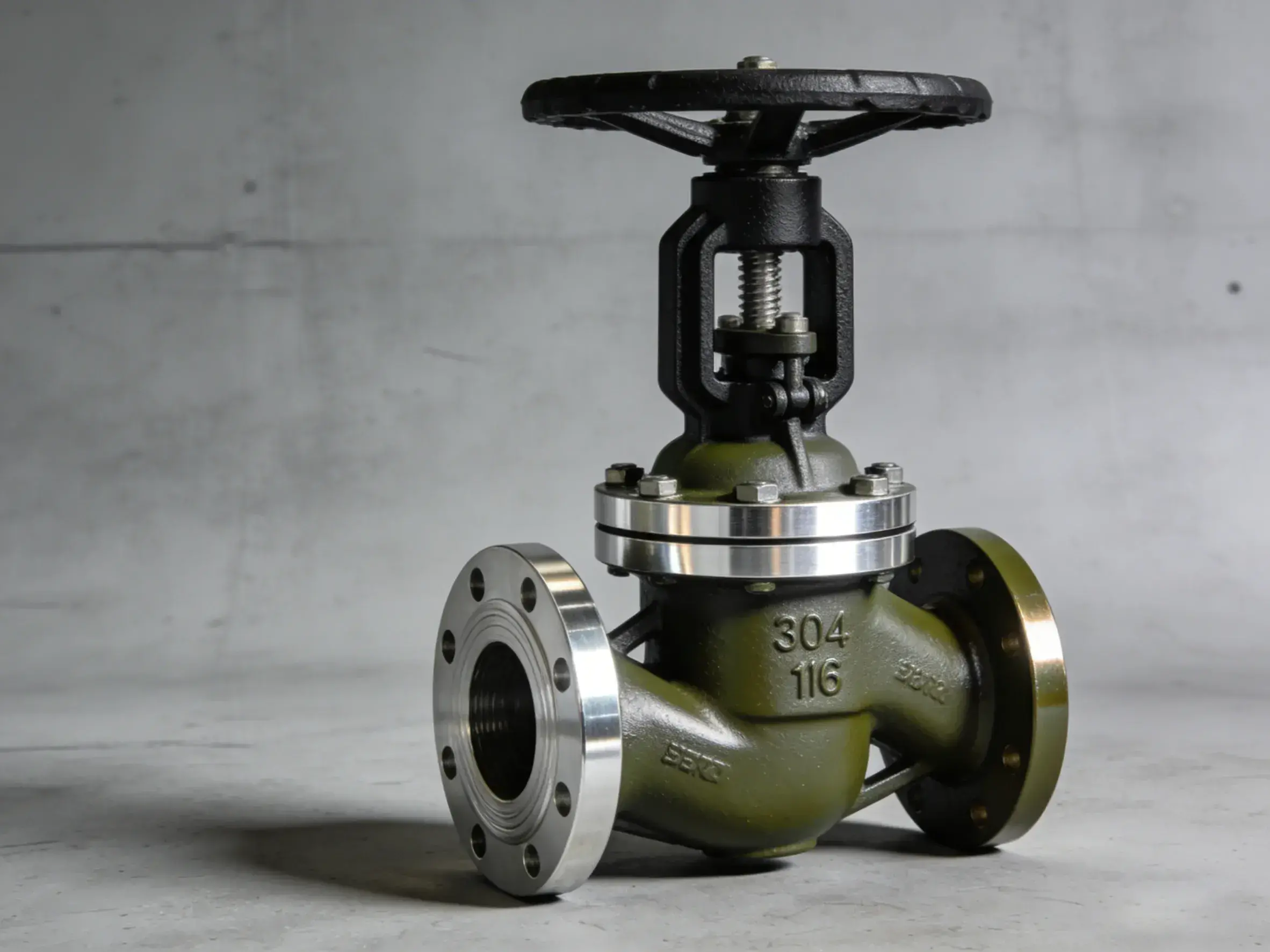
user oriented low power solenoid valve selections?
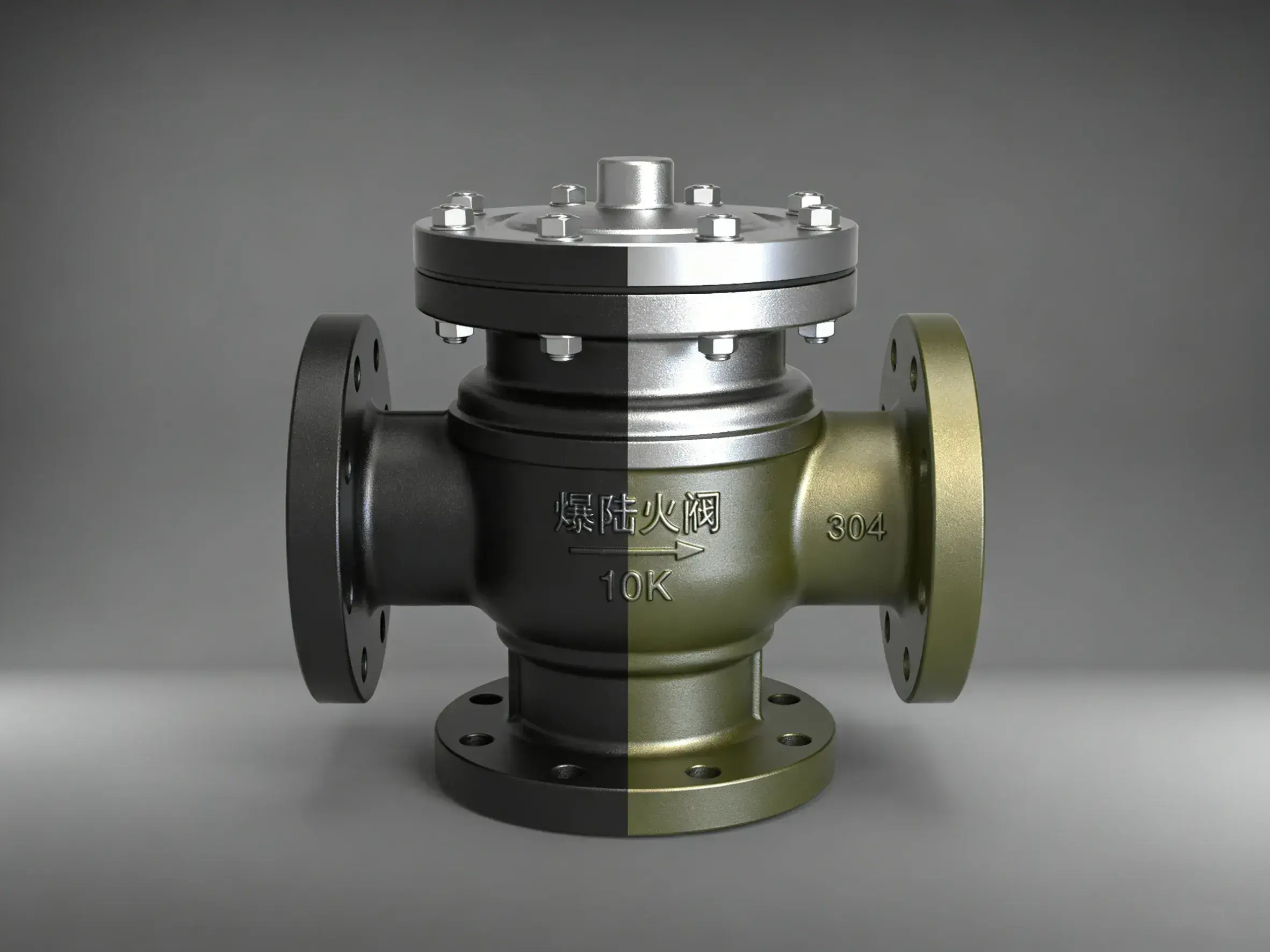
Fundamental industrial valve selection optimizes process efficiency along with system-wide productivity. To warrant excellent operation, you should meticulously choose valves that adhere to your process requirements.
A thorough valve selection directory ought to regard a array of variables like fluid properties, force magnitude, thermal parameters, flow amount, and steering demands. Moreover, recognizing the required valve drive type like pneumatic, hydraulic, or electric is necessary.
Extensive Survey on Butterfly Valve Effectiveness
Specifying relevant performance criteria for butterfly valves is imperative for engineers desiring sustained and effective system output. This analysis delves into the critical factors influencing butterfly valve performance, encompassing material properties, operating conditions, and performance testing methodologies. By exact appraisal of these considerations, this piece wishes to ensure comprehensive awareness of elements advancing butterfly valve functionality.
- Valve design features play a pivotal role in determining overall performance
- Composition of valve structure greatly influences endurance under diverse performance environments
- Pressure drop is a key consideration when evaluating butterfly valve performance, especially in applications requiring high flow rates
Application of Ball Valves amidst High-Power Surroundings
Ball valves stand out as a reliable choice for managing high-pressure applications. Their straightforward construction features a rounded sphere with an opening that spins to regulate liquid movements. This design efficiently manages elevated pressure circumstances due to its robust closure.
Within sectors like petrochemical, ball valves assume a vital part in controlling elevated pressure lines. Their solidity marks them competent to face the load of substantial pressure fluids.
- On top, ball valves employ prompt switching, ensuring effective flow modulation.
- Supplied in varied matter and measures, ball valves personalize to match exclusive needs of diverse boosted pressure sessions.
Grasping Various Valve Classes and Their Purposes
Throughout fluid mechanics, valves undertake a key role administering fluid and gas streams. Choosing a suitable valve classification is indispensable for guaranteed efficiency. Valves classify in line with their functional operation, design framework, and operational context. Typical valve categories comprise gate, globe, check, ball, and butterfly varieties. Each category reveals individual traits, fitting them for designated operations. Particularly, gate valves adjust flux completely, and globe valves supply refined steering of rate. Check valves restrict backward flow, protecting one-directional movement. Ball valves provide fast and dependable open-close control, whereas butterfly valves excel in high throughput scenarios.
Enhancing Fluid Regulation via Industrial Valves
Regulating fluid movement is an essential component of many manufacturing procedures. Valves serve a central function controlling fluid and gas movement inside infrastructures. Adopting proper valve kinds integrated with efficient control frameworks permits businesses to advance manufacturing productivity, safety measures, and product integrity.
A central part of maximizing flow regulation requires knowledge of assorted valve employments. Distinct valve configurations fit exclusive flow traits, load limits, and working conditions. For example, globe valves tend to be utilized for flow regulation, whereas ball valves prove outstanding in stop-start functions.
To ensure precise flow regulation, it's essential to consider factors such as valve sizing, actuation mechanisms, and control systems. Applying high-tech control frameworks including PLCs grants mechanized flow oversight and alteration, raising operation quality.
Routine care of manufacturing valves is necessary for reducing faults and ensuring effective flow governance. Noticing immature issues rapidly supports minimizing expensive stoppages and maintaining consistent functionality of key procedures.
Maintenance Best Practices for Industrial Valves
Periodic care of operational valves is necessary to guarantee continual and robust activity in production environments. A thorough servicing schedule has to be developed, containing recurrent evaluations to identify uncertainties before major disruptions take place. Lubrication of valve components according to the manufacturer's recommendations can significantly extend their service life and reduce friction. Furthermore, it's important to keep valves clean by removing any debris that may impede proper functioning.
A thorough servicing scheme should encompass record-keeping of all operations conducted on valves, detailing schedules, workers, and exchanged parts. Meticulous logging aids observation of valve functionality across durations and encourages prudent decisions for later upkeep.
Utilization of Automation in Valve Control
The spread of automation has influenced valve control methodologies broadly. Employing automation technology facilitates better valve oversight, decreasing human interaction and raising operational efficiency. Machine-driven valve management supplies various perks including heightened correctness, minimized breaks, and superior protection
- Sensors play a crucial role in automated valve systems, providing real-time data on valve position. The system evaluates these signals to automatically alter valve controls
- PLC systems are often employed to manage automated valve operations, allowing for sophisticated control strategies. These platforms oversee valve condition, recognize malfunctions, and trigger resolution steps
What's more, program-controlled valve operations promote improved flow tracking. Accruing valve performance signals assists supervisors in gathering precious cognition to advance system efficiency and lessen overhead
Primary Safety Requirements for Industrial Valve Assembly
When implementing industrial valves within a facility, strict safety protocols are paramount. Ignoring such protective steps may trigger hazardous mishaps, conceivably bringing equipment failure and particularly employee injuries. A careful safety appraisal needs realization ahead of construction to detect potential perils and carry out adequate mitigation steps.
Validate that all team members participating in fitting processes are thoroughly prepared and authorized for valve operations and safety regulation observance. Develop a consistent program of routine evaluations to uncover damage or irregularities in valves. Keep meticulous documentation covering all fitting, reviewing, and servicing tasks to ensure future traceability
- Conform to necessary corporate measures and ordinances governing valve installation and use
- Use fitting implements and technology developed for plant valve assembly
- Consult thoroughly with all agents linked to the operation to enable secure and effective assembly
Valves: Indispensable Units for Industrial Processes
Across the sophisticated segment of fabrication/processing/manufacturing frameworks, valves become fundamental pieces. Their role is to direct the stream of liquids inside complicated setups, guaranteeing smooth performance and protection. Valves serve extensively in varied activities, comprising command of temperature variables and pressure parameters coupled with moving items
- Diverse valve varieties prevail, each crafted to fulfill distinct purposes. Typical instances are gate, ball, and globe valves
- Valve choice hinges on variables including capacity, compression, temperature scale, and liquid nature
- Trustworthy valve conduct holds importance in processing domains to limit stoppages and assure product quality
Routine examination of valves plays a key role in improving operational duration and preventing issues
Cutting-Edge Components in Valve Engineering and Production
The development of valve creation and fabrication strongly relies on persistent utilization of cutting-edge components. These fresh compounds supply numerous improved characteristics versus classic selections, permitting fabricators to manufacture more productive valves. Prominent illustrations are resilient ceramic materials favored for hardness in stringent milieus, coupled with light alloys that optimize functioning while curbing bulk. The implementation of those innovative components produces valves possessing advanced sealing traits, lengthened service time, and raised corrosion protection
Valve Actuation Technologies: An Analytical Comparison
{This investigation delves into the diverse valve actuation mechanisms prevalent in modern engineering applications|This exploration examines the varied valve drive technologies common in contemporary engineering uses|The study analyzes the mixed valve triggering systems typical in current engineering projects|This research evaluates the assorted valve motion methods widespread in advanced engineering scenarios|The survey inspects the multiple valve control techniques existing in Valves up-to-date engineering solutions|This review considers the assorted valve operating mechanisms encountered in present-day engineering environments|This analysis explores the various valve activation systems found in progressive engineering implementations|The inquiry scrutinizes the heterogeneous valve act