Studying diverse microprocessor capabilities Are embedded device thermal throttling and management more refined on x86 or arm SBCs
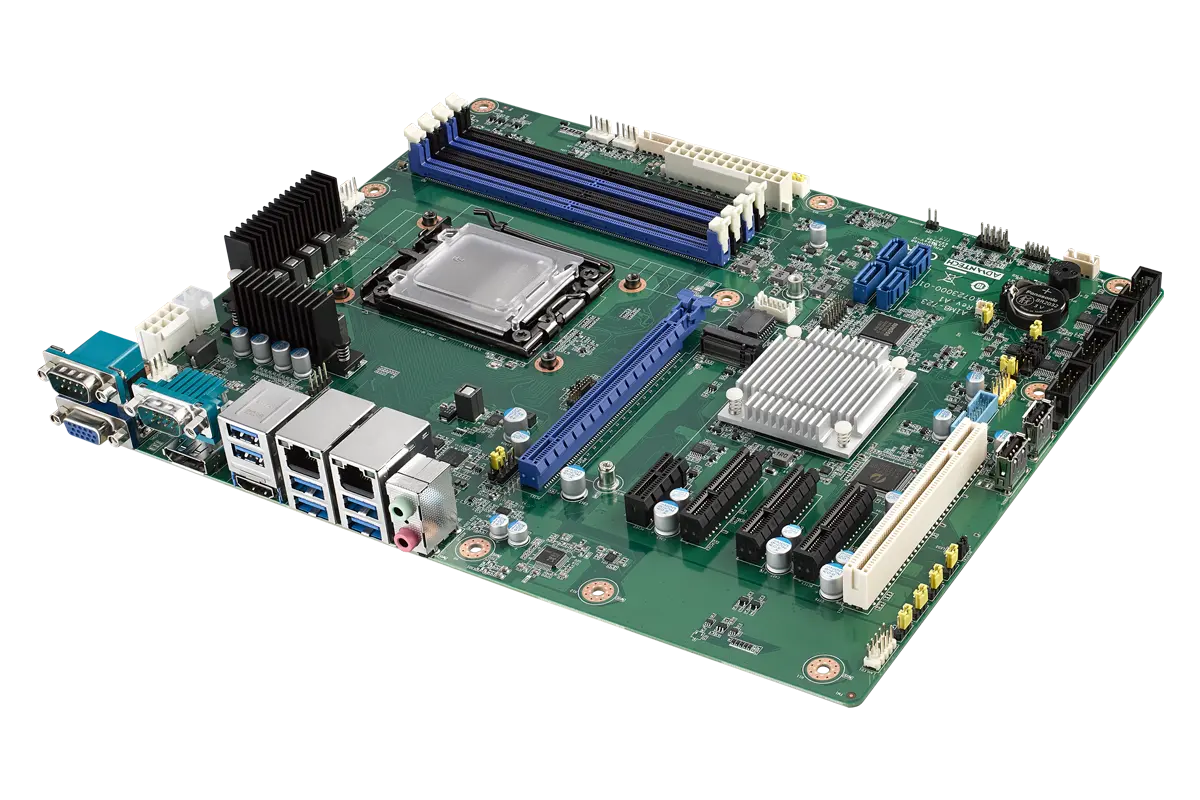
During extensive periods, the IT field has been controlled by two key frameworks: x86 and ARM platforms. Neither platform shares identical capabilities, leading to a vigorous contest for sector prevalence. While the established x86 framework, has long held the crown in workstation and enterprise sectors, ARM's emergence is notably astonishing.
ARM's efficiency advantage, coupled with its resilience, has made it a preferred choice for handheld electronics and built-in applications. However, ARM is now venturing to conquer new zones, including notebook computers and server farms. This pursuit has stirred the veteran x86 entities, who are reacting by developing new technologies to maintain dominance.
- Core distinctions in structures impact program execution, power consumption, and overall system design.
- The transforming priorities of end-users are driving the demand for more enhanced computing solutions.
Ultimately, the battle between ARM and x86 is a dynamic and ever-shifting landscape, with both platforms continuously evolving to meet the demands of a rapidly changing world. The outcome of this competition remains to be seen, but one thing is certain: the future of computing will be shaped by the innovations and advancements of these two titans.
arm vs x86Evaluating ARM and x86 Performance Differences
Amidst the persistently mutating tech scene, selecting the prime chip configuration can be a daunting task. Two titans dominate the market: ARM and x86. Both offer compelling features, but their performance elements diverge significantly. This complete analysis delves into the intricacies of each architecture, empowering you to make an informed determination.
- Throughput
- Draw
- Price
We will examine test results, real-world scenarios, and the qualities of each architecture, helping you establish which platform best suits your demands.
Causes of ARM's Popularity Over x86 in Embedded Solutions
ARM architectures prevail across integrated circuitry environments. This strength follows diverse vital contributors. First, ARM's design is naturally low-energy, making it ideal for devices with limited power budgets. Second, the ARM ecosystem comprises an ample and dynamic team of developers and hardware partners, providing ample support and innovation. Finally, ARM's inclusive use scheme encourages specialization for targeted implementations, leading to a wide range of products. These factors have joined in proving ARM superior for countless embedded devices, from smartphones to smartwatches and even industrial technology.
Top x86 Single Board Computers for Professionals
Deciding on the right x86 SBC involves tough considerations, especially when you're a skilled practitioner. You need a device that can facilitate hefty operations, offer robust performance, and provide a platform for heavy-duty jobs.
- Various considerations shape the perfect SBC match, including processing power, RAM capacity, storage options, connectivity features, and community support.
- For committed technical users, a board with a efficient computing unit like Intel i5 or AMD Ryzen 5 is essential.
- Accompanied by adequate DRAM and accelerated storage call for smooth and efficient operation.
Resist the temptation of minimalistic SBCs; invest in a platform that can wholly back your experiments.
Detailed Examination of x86 SBC Platforms
Surveying cost-efficient x86 SBC hardware reveals expansive possibilities. These portable machines offer immense resources for experimenters. From building home automation systems to exploring programming languages, x86 SBCs provide a customizable, wallet-friendly system for advancement. This guide will provide insights into the flourishing x86 SBC sector, exploring the capabilities of these ingenious boards.
- Explore the history of x86 SBCs and their impact on the technological landscape.
- Assess familiar x86 SBC variants based on attributes and relevant sectors.
- Master the basic equipment forming an x86 single board computer.
- Survey technology stacks and software infrastructures pertaining to x86 SBCs.
- Unearth creative projects involving x86 SBCs spanning multiple fields.
Shift Towards ARM Dominance Across Desktop Platforms
While usually acknowledged for handheld device prevalence, ARM architecture is steadily making inroads within PC segments. Several factors contribute to this phenomenon, including the increasing demand for energy-efficient computing and the growing popularity of cloud-based applications. Manufacturers including Apple integrate ARM cores in portable computers, demonstrating the potential for high output. This trend is further fueled by the development of new blueprints specifically tailored for desktop workloads. As these innovations mature and become more widely available, we can expect to see ARM's presence develop notably across subsequent stages within personal computer sectors.
The x86 vs ARM Showdown Which Architecture Reigns Supreme
During the choice of a fresh PC you face two main CPU designs: x86 and ARM. Both offer distinct profits, making the decision a matter of matching your needs with the right platform.
Classic x86 design benefits from tough performance plus expansive program collections It manages in desktops, laptops, and workstations, particularly for demanding tasks like gaming or video rendering. ARM, on the other hand, highlights energy efficiency and a compact design. This produces it ideal for mobile devices, embedded systems, and increasingly, data centers.
- Think about your main application reason: Are you a professional? Do you need raw power or streamlined energy consumption?
- Research the software compatibility for each architecture. Not all applications are available on both platforms.
- Balance pricing and accessibility in regard to system decision.
Tiny yet Powerful Leading ARM SBC Options
The world of single board computers has exploded in recent years and ARM processors dominate due to efficiency and versatility. These compact devices pack a surprising punch, offering incredible capabilities within a minute footprint. For hobbyists, makers, and even professionals, ARM-based SBCs provide a potent platform for everything from learning about electronics to building fully functional constructs. Whether you're looking for a budget-friendly option or a high-performance powerhouse, there's an ARM-based SBC out there to meet your needs.
- Examine key candidates throughout this expanding domain!
Measuring ARM in Contrast to x86 Effective Speed
Profiling ARM alongside experienced x86 in benchmarks displays thought-provoking insights. While x86 has traditionally prevailed in computing muscle, particularly for high-complexity functions, ARM systems are consistently narrowing differences, especially in areas like mobile performance and energy efficiency. The recent surge in popularity of ARM-based logic units incorporated into mobile and home computing further fuels this race. It's important to note that benchmark results can be influenced by a myriad of factors, including the specific configuration analyzed, job pressure, coupled with system firmware. Therefore, it's crucial to weigh tests' meaning beyond just ratings.
Are ARM Chips Overcoming x86 as Default Architecture
The silicon world undergoes ongoing transformation, and one of the most remarkable evolutions embrace ARM's advancement. While x86 has long dominated the market the market, ARM's performance attracts significant attention. This has led to rumors that ARM potentially supersede x86 as the chief architecture.
- Diverse drivers motivate this transition: ARM's low power consumption appeals especially in handheld gadgets, notebooks, and server environments.
- Also, ARM's approachable licensing schema fosters progress within networks, generating multiple classes of ARM-integrated components.
Although ARM rises, x86 keeps a powerful presence. Prominent firms devote significant budgets to x86 evolution, and long-standing installations stay usable indefinitely.
As a result, it is difficult to predict a full ARM substitution for x86. The digital world is expected to integrate both platforms harmoniously, with each participating individually within assorted system categories.
Outlook on ARM and x86 Coalition in Computing
The computing field has undergone significant shifts. Once distinct architectures, ARM and x86 are now on a collision course, converging to reshape the future of processing power. This convergence delivers innovative prospects for developers and consumers alike. ARM's energy efficiency and compact design have made it the dominant force in mobile devices, while x86 has long reigned supreme in desktops and servers. However, the separation is diminishing, driven by factors such as the increasing demand for mobile computing and the rise of cloud services.
- This integration probably results in varied hardware assortments, powered by hybrid architectures that exploit merits within both CPU types. This could result in higher-performing mobile gadgets with enhanced energy storage alongside economical servers.
- Plus designers enjoy expanded infrastructure inventories, enabling them to create innovative applications that advance technological horizons. The future of computing looks very encouraging, with ARM and x86 convergence playing a pivotal role in shaping the next generation of technology.