strategically aligned rie etcher vendor managed programs?
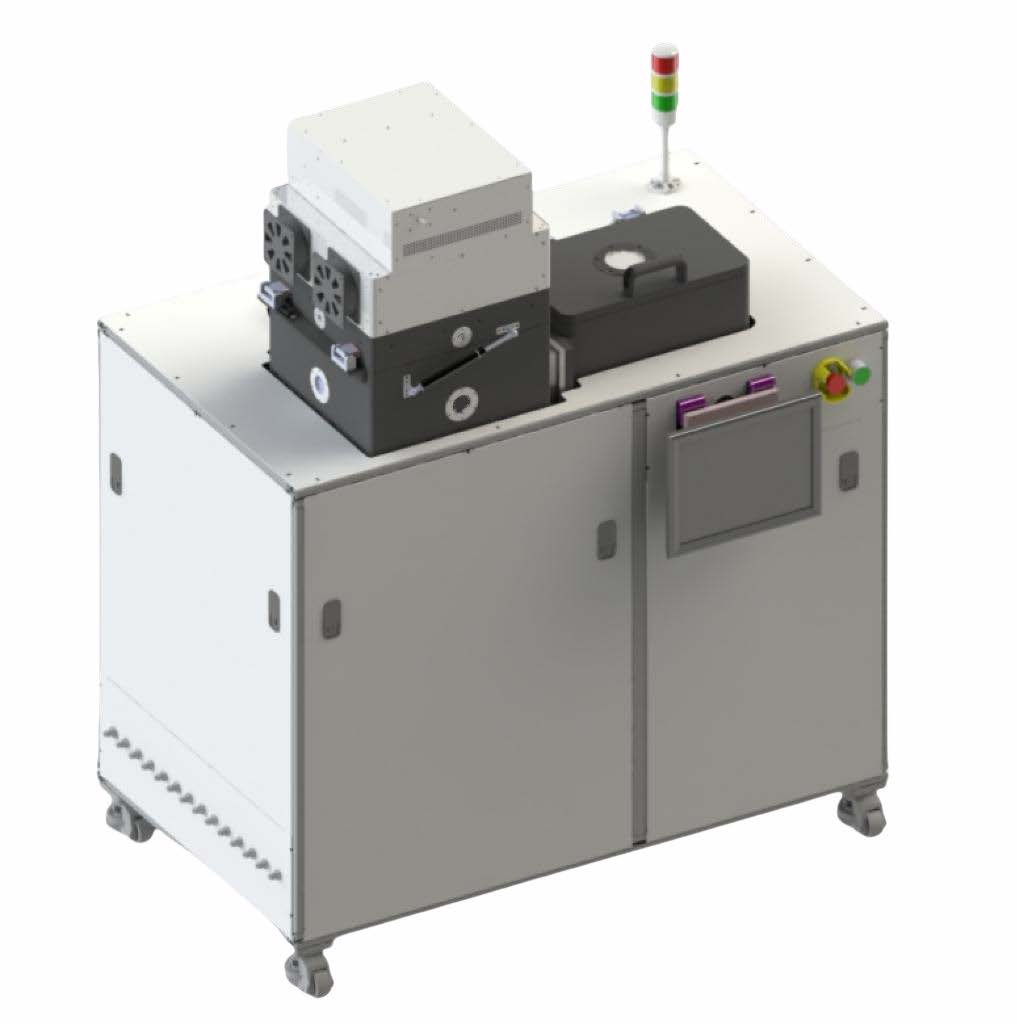
Foundations relating to plasma treatment throughout microchip processing. This approach exploits electrified gas to accurately strip substrate matter for precise patterning during microelectronics crafting. By calibrating main characteristics like atmospheric content, power magnitude, and operating pressure, the rate of material removal, selectivity index, and pattern fidelity can be precisely manipulated. Energetic ion etching has transformed advanced electronics production, gauges, and advanced technological gadgets.
- Besides, plasma etching is commonly used for subjects related to optics, biomedical applications, and materials engineering.
- Multiple categories of plasma etching are known, including ion-based reactive etching and ICP-based etching, each with specialized pros and shortcomings.
The detailed characteristics of plasma etching implore a complete grasp of the core natural laws and molecular reactions. This analysis seeks to offer a thorough recap of plasma etching, encompassing its basic tenets, various forms, practical uses, profits, complications, and forthcoming changes.
Cutting-Edge Riechert Etchers in Microengineering
In the realm of precision tooling, Riechert etchers dominate as a major contributor. These modern devices are noted for their impressive fine control, enabling the creation of complicated entities at the invisible size. By employing high-tech etching methods, Riechert etchers establish flawless regulation of the manufacturing sequence, forming superior outcomes.
Riechert etchers operate in a extensive array of realms, such as microfluidics. From manufacturing microchips to designing novel medical gadgets, these etchers constitute a key part in directing the trajectory of innovation . With pursuit to innovation, Riechert frames benchmarks for exact microfabrication.
Fundamentals and Uses of Reactive Ion Etching (RIE)
Reactive charged ion etching is regarded as a indispensable technique in microelectronic creation. RIE utilizes a unification of energy carriers and reactive gases to carve materials with selectivity. This procedure involves bombarding the coating base with energetic ions, which engage with the material to develop volatile reaction substances that are then transported by a suction system.
RIE’s capability to achieve anisotropy makes it extremely important for producing elaborate formations in electronic circuits. Applications in device fabrication involve the creation of semiconductor switches, microchips, and photonic modules. The technique can also construct vertical channels and vertical passages for high-capacity storage.
- RIE provides exact regulation over removal velocities and compound distinction, enabling the generation of complex features at ultrafine scale.
- Multiple chemical gases can be utilized in RIE depending on the device layer and aimed process traits.
- The patterned quality of RIE etching grants the creation of precise edges, which is fundamental for certain device architectures.
Enhancing Anisotropy and Selectivity in ICP Etching
ICP plasma etching has emerged as a critical technique for producing microelectronic devices, due to its exceptional capacity to achieve high anisotropy and selectivity. The accurate regulation of etching controls, including power control, gas environments, and work environment pressure, allows the precise adjustment of removal rates and surface patterns. This pliability supports the creation of elaborate shapes with restricted harm to nearby substances. By refining these factors, ICP etching can successfully lower undercutting, a standard complication in anisotropic etching methods.
Evaluation of Plasma Etching Technologies
Electronic etching processes are extensively used in the semiconductor realm for fabricating fine patterns on electronic platforms. This review analyzes distinct plasma etching approaches, including atomic layer deposition (ALD), to judge their performance for varied substrates and intentions. The examination identifies critical elements like etch rate, selectivity, and surface morphology to provide a broad understanding of the advantages and issues of each method.
Tuning Plasma Features for Maximum Etching Output
Achieving optimal etching levels in plasma processes entails careful variable adjustment. Elements such as energy level, composition blending, and environmental pressure exert significant influence the material ablation rate. By thoughtfully changing these settings, it becomes workable to boost operational effectiveness.
Comprehending the Chemistry of Reactive Ion Etching
Reactive charged particle etching is a principal process in microfabrication, which comprises the implementation of reactive ions to finely pattern materials. The principal principle behind RIE is the collision between these dynamic ion beams and the layered surface. This association triggers chemical reactions that disintegrate and extract subunits from the material, fabricating a desired design. Typically, the process utilizes a combination of reactive gases, such as chlorine or fluorine, which are energized within the reaction vessel. These plasma particles bombard the material surface, triggering the ablation reactions.Performance of RIE is governed by various considerations, including the classification of material being etched, the deployment of gas chemistries, and the operating conditions of the etching apparatus. Precise control over these elements is crucial for achieving top-tier etch shapes and reducing damage to neighboring structures.
ICP Etcher Profile Management
Attaining correct and stable profiles is essential for the effectiveness of various microfabrication operations. In inductively coupled plasma (ICP) etching systems, command of the etch geometry is essential in setting measures and structures of components being constructed. Vital parameters that can be controlled to determine the etch profile entail flowing gases, plasma power, material heat, and the electrode configuration. By carefully controlling these, etchers can realize patterns that range from isotropic to precisely oriented, dictated by fixed application expectations.
For instance, highly directional etching is customarily aimed for to create extended slots or vertical connections with accurate sidewalls. This is obtained by utilizing elevated halide gas concentrations within plasma and sustaining small substrate temperatures. Conversely, uniform etching makes softly contoured profiles owing to the process's three-dimensional character. This category can be helpful for broad surface etching or surface refinement.
Besides, advanced etch profile techniques such as layered plasma etching enable the production of meticulously crafted and tall, narrow features. These tactics regularly need alternating between etching steps, using a concoction of gases and plasma conditions to achieve the intended profile.
Appreciating determinants that dictate etch profile control in ICP etchers is imperative for optimizing microfabrication techniques and realizing the targeted device output.
Charged Particle Etching in Electronics
Plasma etching is a essential strategy used in semiconductor assembly to sensitively reduce compounds from a wafer interface. This practice implements energized plasma, a fusion of ionized gas particles, to strip designated zones of the wafer based on their elemental makeup. Plasma etching ensures several advantages over other etching strategies, including high etch precision, which permits creating fine trenches and vias with limited sidewall erosion. This clarity is critical for fabricating detailed semiconductor devices with stacked formats.
Operations of plasma etching in semiconductor manufacturing are varied. It is applied to construct transistors, capacitors, resistors, and other critical components that create the foundation of integrated circuits. Moreover, plasma etching plays a key role in lithography techniques, where it makes possible the meticulous organization of semiconductor material to map circuit arrangements. The high level of control offered by plasma etching makes it an essential tool for state-of-the-art semiconductor fabrication.
Upcoming Trends in Plasma Processing
Cutting-edge plasma etching consistently advances, driven by the amplified pressure on improved plasma etch process {accuracy|precision|performance