regulation ready premium zeolite rotor based air treatment systems?
Beginning
Volatile organic chemicals endanger health (Elements) affecting biotic and abiotic systems. Established scrubbing technologies rely on high energy use and form damaging refuse. Zeolite-based rotors deliver green options, ensuring robust VOC extraction across gaseous phases. Such products carry great surface coverage and singular holes fostering powerful VOC entrapment.
- Also, zeolite wheels can be reused, cutting eco damage and operational charges.
- So, zeolite rotor technology gains acceptance in varied industrial applications, including factory output purification, internal atmosphere purification, and effluent processing.
Utilization of zeolite rotating tools indicates an important advancement aiming at renewable VOC mitigation, producing sustainable and monetary rewards.
Thermal Oxidation Regenerators: Top Air Purification
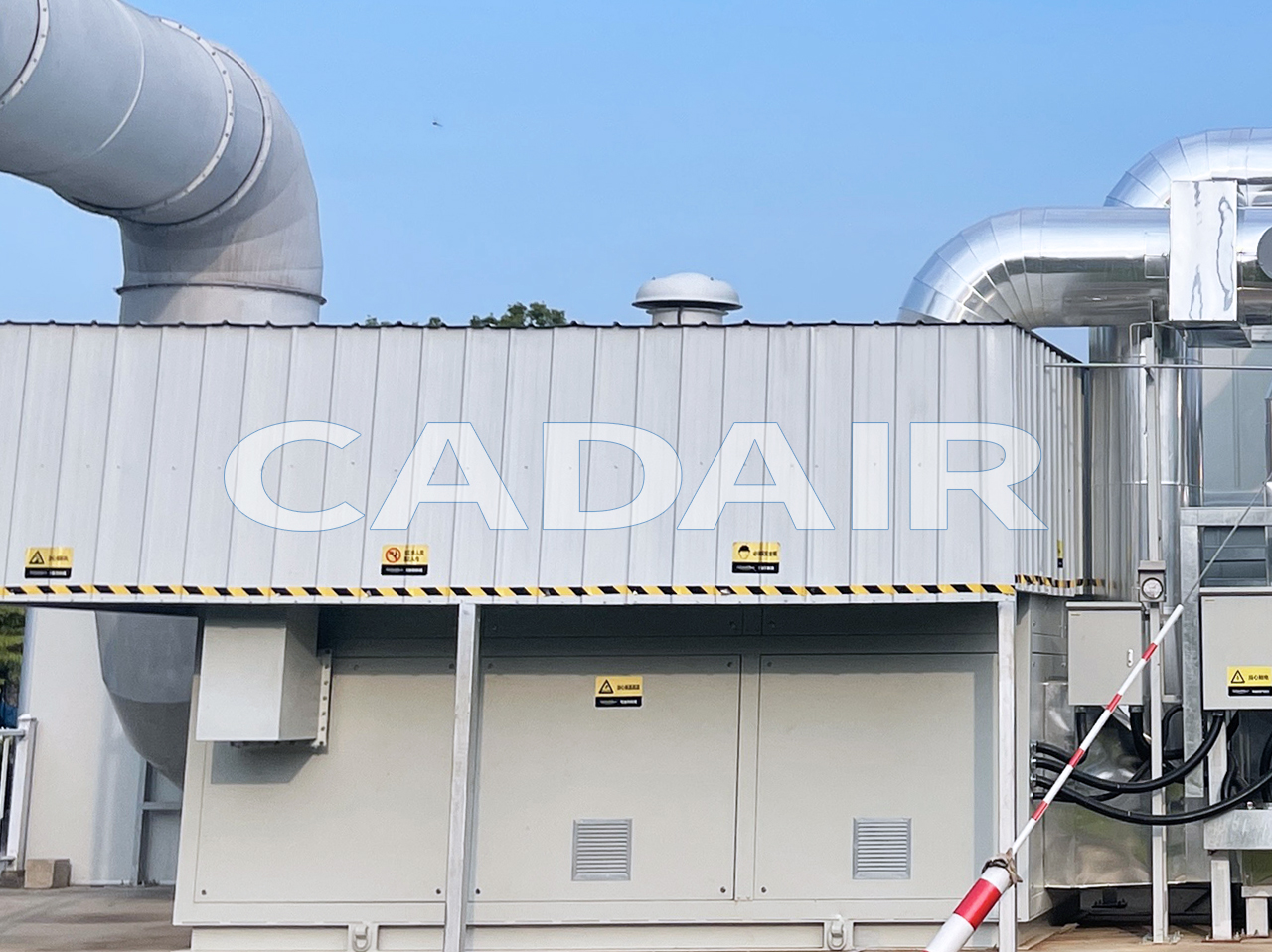
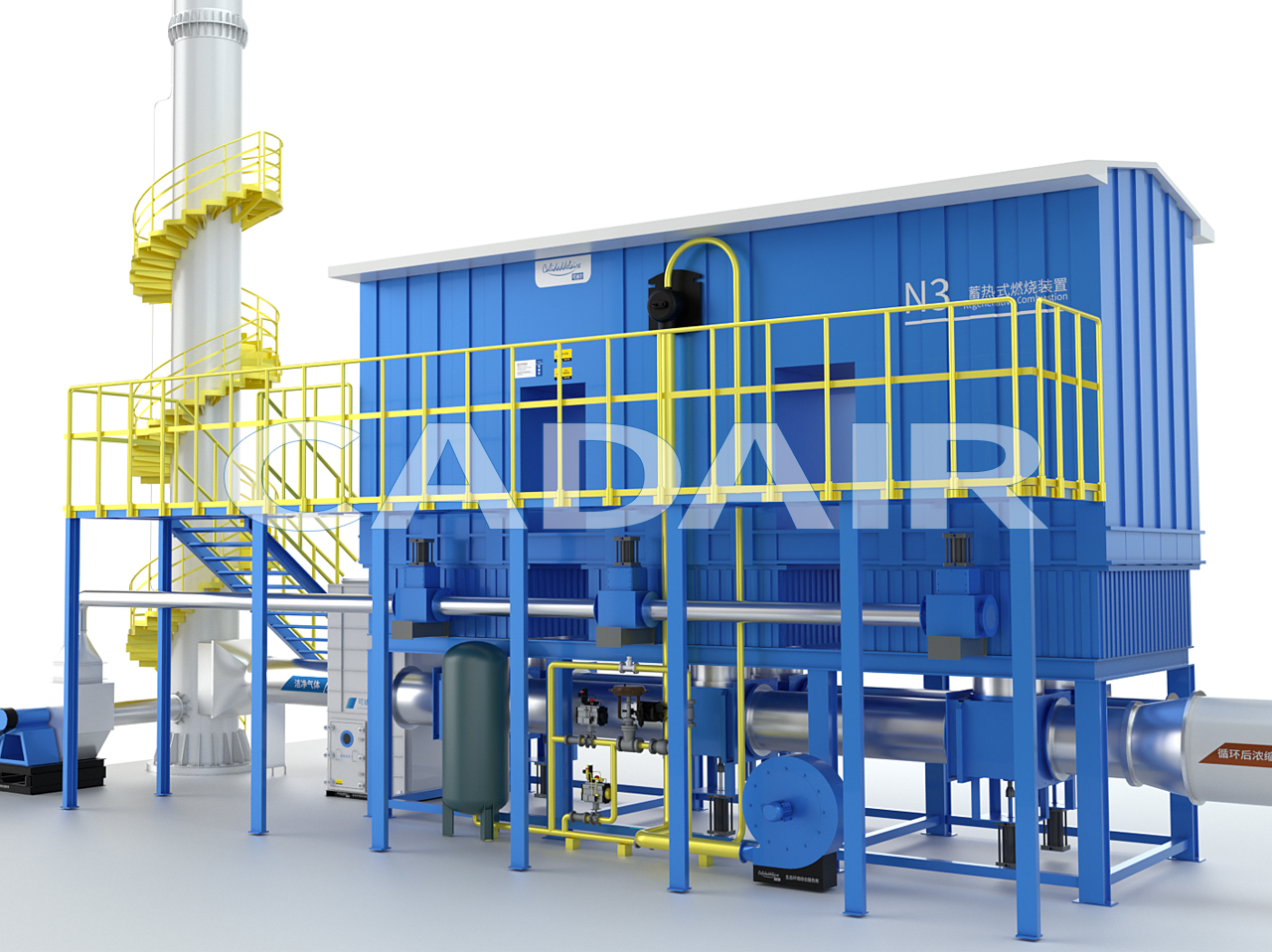
Heat exchange oxidizers grant advanced air filtering. These apparatuses engage combustion and heat application of tainted airflow at elevated heat levels, exhaustively transforming pollutants into inactive substances. Heat recapture facilitates resource conservation. They effectively eradicate organic volatiles, particulates, and pollutants. Integrated throughout fabrication, medicinal, and wastewater management industries.Advantages cover enhanced atmosphere, eco preservation, and financial savings. Additionally, compact design and minimal upkeep make them practical and attractive.
Catalytic Combustion Units: Pollutant Reduction Solutions
Production workflows expel damaging gaseous substances. Catalytic oxidation systems mitigate environmental harm. Catalysis transforms dangerous elements into safer residues. Catalytic materials facilitate rapid conversion using less fuel.
Diverse catalyst types fit particular purposes, including enhanced elements like nickel and cobalt. Catalyst choice is essential for optimizing elimination rates. System layout promotes optimal contaminant engagement to improve pollutant transformation.
Catalyst-based units prevail over basic techniques by discrimination. They process designated pollutants maintaining gas integrity. Also, they run cooler lowering operational expenses. Persistent innovations enhance catalyst-based emissions reduction facilitating cleaner processes and healthier environments.
Maximizing Regenerative Catalytic Oxidizer Efficiency
Gaining optimal results entails thorough analysis. Identifying correct catalytic substances matters. Fine-tuning settings like heat intensity and process time elevates performance. Supervision and analysis regimes guarantee performance. Consistent care and validation maintain functionality of the system and operation.
Zeolite Roles Within Thermal Oxidation Units
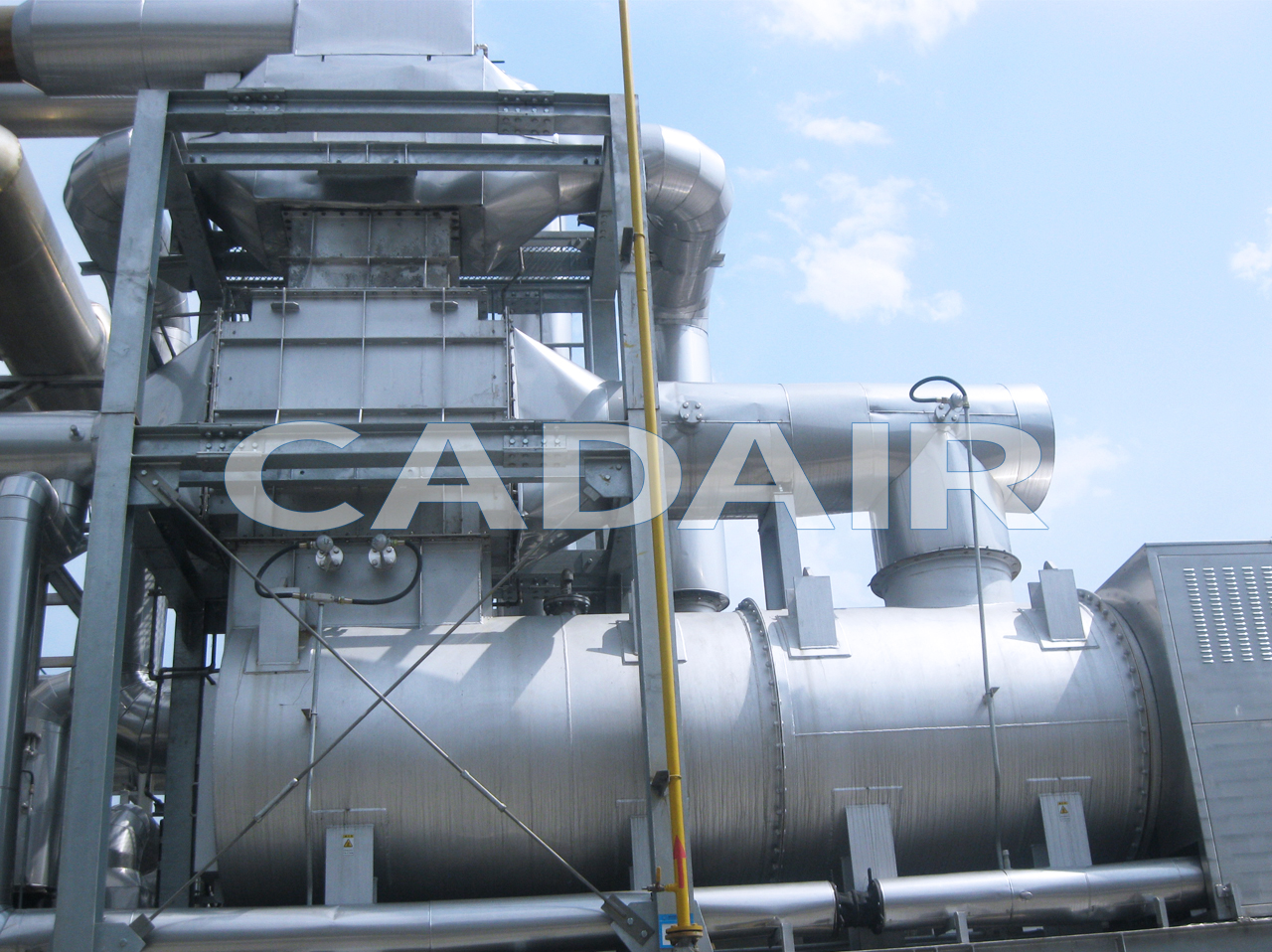
Regenerative oxidation devices operate principally managing VOC releases. Zeolite matrices provide core roles thanks to capture ability and catalytic activity. Their specific capturing of VOCs improves combustion effectiveness. What's more, zeolite catalysts quicken combustion minimizing energy input and upgrading outcomes.
- Consequently, use of zeolites amplifies volatile organic capture, fuel conservation, and environmental safeguarding.
Examining Zeolitic Substances Versus Conventional Catalytic Materials
Recent catalyst innovations prompted comparative assessments of synthetically created zeolites evaluated against usual catalysts. This evaluation inspects catalyst performance, selectivity, heat endurance, and value. Wrapping up by considering zeolite catalyst competence in full VOC oxidation in responder units. The results support more effective and green emission mitigation strategies.
- Zeolite materials presenting large voids and surfaces offer catalytic prospects.
- Older catalytic materials mostly metal oxide-based reveal shortcomings in efficacy and choice.
Besides, probes assess thermal parameters, residence intervals, and composition variables on zeolite-based and regular catalysts. This wide-ranging evaluation nurtures optimizing regenerative oxidation catalysts maximizing VOC clearance and minimizing operational energy.
Simulation Approaches for Regenerative Catalytic Oxidizers
Cutting-edge catalytic oxidation installations comprise elaborate setups handling pollutant gases. They perform catalytic conversions that detoxify substances generating heat aftermath. Such process intricacy requires robust software RTO models supporting system planning and tuning. Computational tools permit calculating pivotal metrics under changing process conditions. Furthermore, these simulations uncover bottlenecks and direct improvements producing enhanced regenerative catalytic oxidizers.Thermal and Catalytic Oxidation: Making the Right Choice
Deciding appropriate oxidative processes necessitates detailed analysis. Thermal and catalyst-operated oxidation manifest varied positive and negative traits. Thermal oxidative processes utilize raised temperatures initiating reactions. Catalytic oxidative systems foster reaction kinetics under softer heat. Choice alters with productivity, investment, and targeted chemicals.
- Thermal oxidation often attains higher conversion but at greater energy demand
- Catalyst-based methods operate at lower heat cutting costs and pollutants
Comprehensively analyzing operational demands guides right technology choices. Partnering with consultants yields better outcomes aligning function with ecological impact.
Air Emission Management Employing Zeolite Rotors
Zeolite rotor technology emerges as promising for emission reduction across commercial and motor vehicle fields. Built of crystalline porous frameworks, rotors absorb pollutants via physical, chemical, or electrostatic processes. Revolving behavior assures persistent and efficient emission abatement. Different zeolitic compositions modify to trap contaminants like carbon monoxide, nitrogen oxides, and organics, making this technology adaptable, flexible and versatile for varied pollution concerns.
- Also, this technology outperforms standard emission mitigation solutions, including:
- Reduced energy consumption.
- Efficient layout.
- Remarkable contaminant elimination.
Continuous exploration and technical development foster growth in zeolite rotor systems, promoting green advancements across sectors.
Demonstrated Success of Regenerative Oxidizer Systems
Within the maturing oxidation market, regenerative oxidizers demonstrate their efficient and decisive solutions. Their ability to transform gaseous byproducts into useful materials draws significant interest.
- One significant case features regenerative oxidation cutting huge contamination at an industrial chemicals facility achieving major emission reduction and demonstrating environmental benefit potential.
- Extra effective approach appears in energy industries adopting regenerative oxidizers for organic waste combustion enabling successful and eco-friendly generation of energy from organic materials offering renewable alternative to coal and oil.
Such studies underscore versatility and effectiveness of regenerative oxidizers in multiple sectors. Further advances forecast novel and impactful applications for this promising technology in upcoming years.
Progressing Air Treatment: Zeolites in Regenerative Technologies
Considering surging global pollution burdens, new solutions become urgent. Groundbreaking efforts emphasize zeolite-based regenerative system harmonization. Zeolite materials, prized for exceptional uptake and adjustable cavities, capture emissions effectively. Combined with reusable frameworks, they facilitate ongoing pollutant extraction and recycling reducing refuse and enhancing green impact. Such fusion offers potent solutions addressing diverse air pollution issues including industrial emissions, vehicle exhaust, and indoor atmospheres. In concert, active development enhances zeolite materials and sustainable technologies, driving future-proof and versatile air cleaning systems.
- Novel Zeolite Designs
- Eco-Friendly Process Improvement
- Expected Results in Atmospheric Cleansing