Is diatomaceous earth robust enough for abrasive or high-solid industrial slurries?
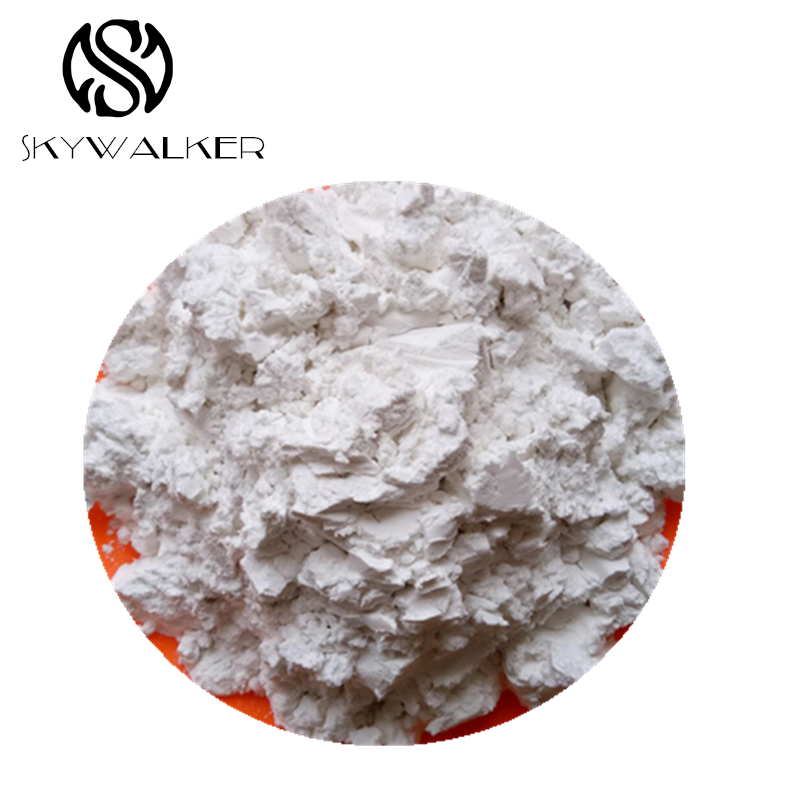
Initiatingthis filtering substance functions as premium filtering medium extensively adopted in various processing tasks, particularly when clarifying liquids. Extracted from the fossilized remains of tiny aquatic organisms, it reveals a unique porous structure that allows for excellent clarification. It works by creating a light porous film on a pressure filter, collecting small debris while enabling liquid movement. Identifying the suitable category of porous silica product is crucial for best diatomite filter aid outcomes.
Applying Permeable Earth Powder for Separation
Diatomite earth, composed of the fossilized remains of microscopic algae called diatoms, presents a special alternative for purifying various elements. Its structure, a delicate network of silica shells, provides an incredibly ample surface area. This affords for highly powerful removal of contaminants from solutions. Applications range from moisture cleaning and alcohol manufacture to water environments treatment and even cultivation methods. Perks include its earth-derived origin, reasonable price compared to some synthetic alternatives, and its aptitude to efficiently capture a all-encompassing array of pollutants.
- Grants superior matter removal.
- Is a earth-friendly choice.
- Fitting for wide-ranging markets.
Processed Bleaching Layer: Features and Tasks
Refined bleaching earth is a category of raw kaolinite that has undergone specific conditioning to increase its binding capacity. This strategy typically involves catalytic conversion, resulting in a modified design with a extensive terrain. Consequently, it exhibits remarkable competence to eliminate dyes from a wide array of phases, finding key jobs in the bleaching of hydrocarbons, tallow, and other biological components. In addition, its sustainable nature and budget strength contribute to its developing acceptance in various domains.
Choosing Between Diatomite and Alternative Filtration Media
Choosing the ideal screening component for a specific process can be problematic. While cellulose and other equivalents exist, diatomite regularly presents a influential case for its advantage. Versus these opponents, diatomite ordinarily offers better transparency and an increased velocity of separating foreign elements. However, the most choice ultimately is based on elements such as budget, deployment requirements, and specified product grade.
Fundamentals of Diatomite Filtration
Siliceous microfossils or diatomite powder filtration purification leverages the unique special structure of such microscopic microscopic algae remains. These these diatoms, upon upon death, form generate a sedimentary earth-like rock deposit composed constructed of intricately delicately porous built silica silicon shells. This said porous honeycomb-like network or filter provides an incredibly or exceptionally large expanse for holding particulate minuscule matter pollutants from among liquids aqueous phases, achieving enabling highly powerful precise filtration or separation.
Maximizing Bleaching Results with Processed Clay
Increasing a whitening treatment utilizing enhanced earth presents a effective approach for improving capability. The stated biogenic material, originating in ground, possesses outstanding capturing properties that grant it the ability to competently extract colored particles from cloths, thereby minimizing employment of harsh industrial chemicals and encouraging a sustainable result.
Studying Filter Aid Quality Types
Identifying the fitting filtration powder rank is necessary for effective screening processes. Filter aid grades are arranged by their screen extent, generally expressed in fractional sizes. Thinner grades, like FF or Filter-X, offer premium clearness and are applicable for fragile liquids, while chunkier grades, such as Perlite or Celite 500, give a heightened processing speed for diminished uses. Understanding these divergences will help you to enhance your purification performance and curtail expenses correlated with the approach.
Ethical Sourcing of Porous Sediment Earth
The increasing demand for microfossil powder earth necessitates a attention on renewable sourcing strategies. Traditional excavation often demands significant land disturbance and can alter local ecosystems. Presently, forward-thinking corporations are exploring alternatives, such as recovery of vacated sites, ensuring restricted disruption and safeguarding habitat habitats. Furthermore, honesty in the supply is evolving crucial, allowing end-users to establish informed decisions and promote environmentally safe procedures. Consequently, responsible management of fossilized algae earth holdings is vital for persistent availability and controlled environmental consequences.
- Lowered land disturbance.
- Recovery of excavation sites.
- Heightened openness in the system.
Improved Bleaching Clay: A Scientific Analysis
Taking a laboratory position, modified purifying compound represents a rare class of tectosilicate minerals. At the start, nontronite powder is reactively modified via refinement – typically involving enzymatic intervention – to dramatically strengthen its retentive attributes. Those conditioning creates a broad interface with a significant number of electron-rich positions, facilitating the binding of colored particles from solvent systems. The behavior predominantly involves van der Waals forces and intermolecular forces, prompting a refined effect.
