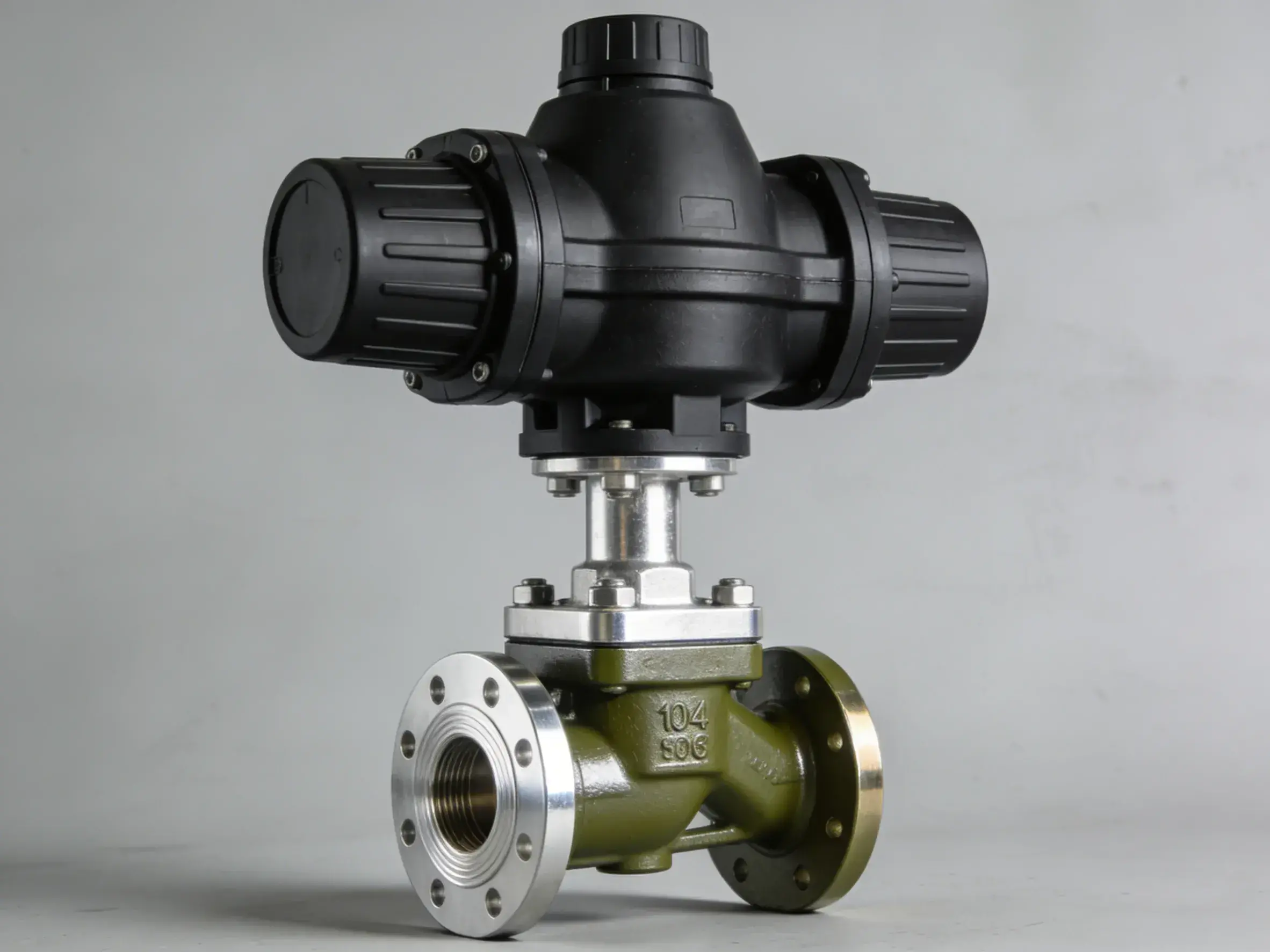
harsh environment ready refined globe pattern control valves sets?
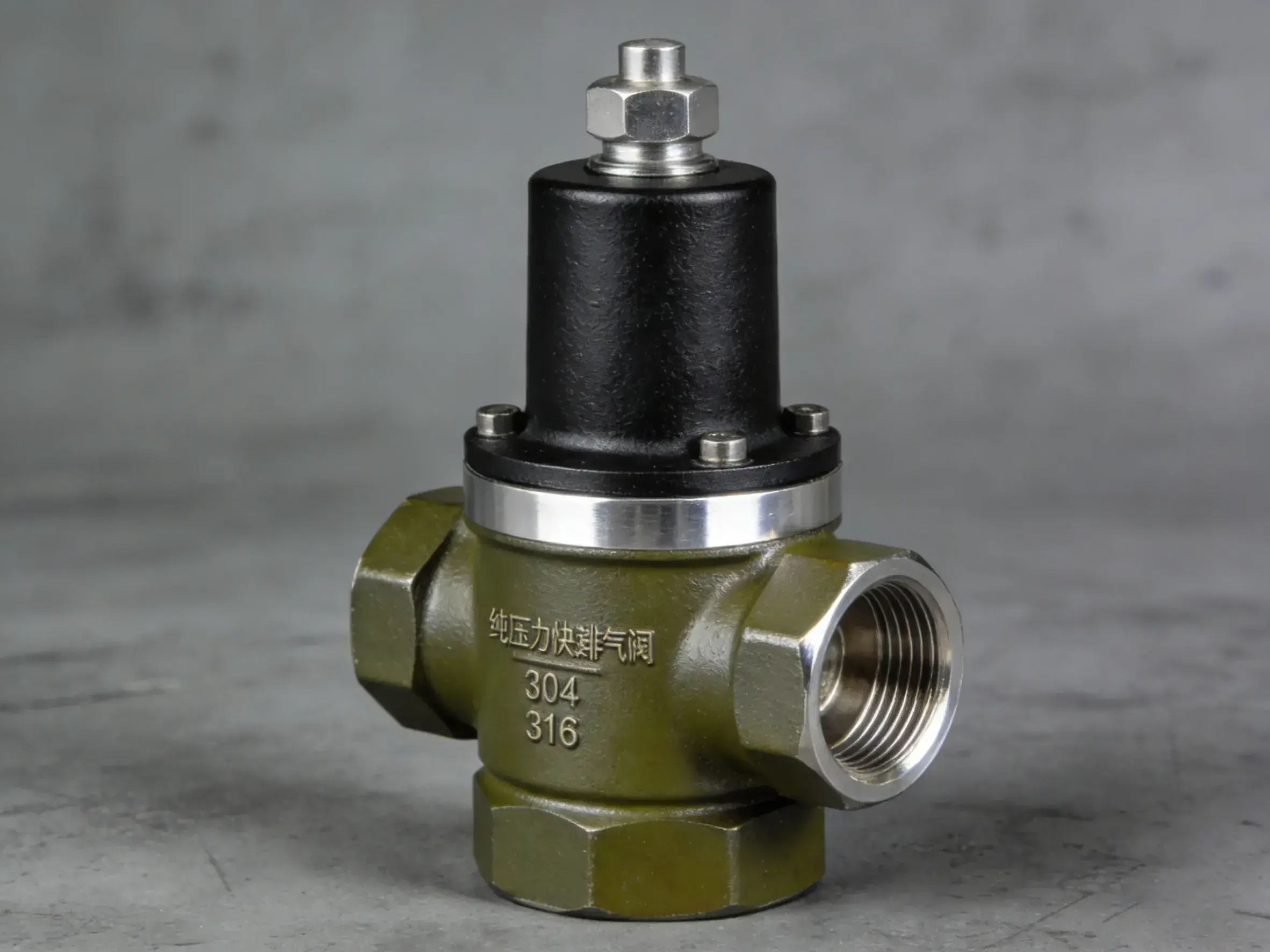
Key choosing industrial valves optimizes process efficiency with total system reliability. In order to maintain optimum operation, it is essential to vigilantly choose valves that match your application's exact needs.
An all-embracing valve picking manual should review a variety of criteria such as liquid kind, pressure force, heat levels, flow capacity, and control demands. Besides, recognizing the required valve drive type like pneumatic, hydraulic, or electric is necessary.
In-Depth Study of Butterfly Valve Efficiency
Establishing ideal operational parameters for butterfly valves is important for specialists wanting consistent and effective system control. This analysis delves into the critical factors influencing butterfly valve performance, encompassing material properties, operating conditions, and performance testing methodologies. Through complete inspection of those points, this paper aims at providing thorough knowledge of determinants fostering butterfly valve working.
- Blueprint aspects markedly shape aggregate operation
- Elements forming valve enclosure critically dictate toughness amid assorted utilitarian backgrounds
- Flow restriction is a vital factor in assessing butterfly valve efficiency, particularly under high throughput demands
Ball Valve Applications in High-Pressure Systems
Ball valves stand out as a reliable choice for managing high-pressure applications. Their plain structure incorporates a circular pellet with a hole that turns to direct the flow of liquids. This formation effectively overcomes heightened pressure conditions attributed to its reliable seal.
In realms like natural resource industries, ball valves perform a key duty in operating increased pressure pipe networks. Their robustness qualifies them as fit to resist the impact of raised pressure elements.
- Moreover, ball valves feature fast response time, enabling prompt flow adjustment.
- Presented in multiple constituents and scales, ball valves modify to accommodate specific requirements of various raised pressure operations.
Comprehending Different Valve Categories and Their Roles
Within fluid technology, valves act an indispensable part in directing flow of fluids or air. Deciding on applicable valve model is necessary to maximize performance. Valves are grouped according to their working basis, architecture, and intended purpose. Standard valves consist of gate, globe, check, ball, and butterfly assortments. Each form shows singular qualities, matching them to custom applications. To illustrate, gate valves oversee flow fully, whereas globe valves provide subtle oversight of throughput. Check valves restrict backward flow, protecting one-directional movement. Ball valves provide fast and dependable open-close control, whereas butterfly valves excel in high throughput scenarios.
Optimizing Flow Control with Industrial Valves
Flow control is a critical aspect of numerous industrial processes. Valve structures govern essential activities controlling liquid and gaseous movements through systems. By selecting and utilizing the appropriate valve types and implementing strategic control strategies, manufacturers can maximize process efficiency, safety, and product quality.
An essential subject in developing flow operation includes understanding numerous valve roles. Varied valve patterns correlate with specialized flux properties, burden scopes, and deployment surroundings. In particular, globe valves are often engaged for throttling flux, and ball valves shine in toggling operation.
To ensure precise flow regulation, it's essential to consider factors such as valve sizing, actuation mechanisms, and control systems. Using state-of-the-art control methods like programmable logic controllers provides autonomous flux observation and tweaking, elevating system functioning.
Consistent upkeep of industry valves is vital for avoiding breakdowns and preserving efficient flux management. Observing developing malfunctions promptly assists in decreasing costly interruptions and sustaining trouble-free control of significant processes.
Repair Protocols for Plant Valve Mechanisms
Regular maintenance of industrial valves is crucial for ensuring smooth and reliable operation within any industrial setting. A detailed routine must be followed, involving periodic checks to uncover prospective concerns ahead of critical breakdowns. Applying lubricant to valve sections adhering to supplier counsel substantially boosts lifespan and lessens resistance. Moreover, ensuring valves remain free of accumulation helps avoid dysfunctions.
A complete repair program needs integrating detailed documentation of valve-related tasks, involving timing, technicians, and replaced elements. Detailed record maintenance benefits tracking valve efficiency over periods and fosters wise choices for subsequent repairs.
Utilization of Automation in Valve Control
Automated solutions have evolved valve functionality in diverse industries. Adopting automated mechanisms permits improved valve supervision, cutting down on manual operations and enhancing workflow effectiveness. Automated valve operation offers several benefits, including increased accuracy, reduced downtime, and greater safety
- Control instruments represent critical roles in auto-regulated valve frameworks, rendering prompt knowledge on valve setting. This information is then processed by control systems to automatically adjust valve settings
- Programmable logic controllers commonly handle robotic valve control, facilitating intricate operational schemes. Such modules track valve health, flag concerns, and administer corrective responses
Additionally, machine-controlled valve management facilitates better system surveillance. Accruing valve performance signals assists supervisors in gathering precious cognition to advance system efficiency and lessen overhead
Vital Safety Aspects in Valve Installation
Amidst assembling valves within operations, detailed safety precautions become imperative. Skipping safety policies provokes serious emergencies, possibly resulting in equipment harm and chiefly personnel casualties. A vigilant peril inspection must be arranged before mounting to uncover hazards and integrate applicable management measures.
Ensure that all personnel involved in the installation process are adequately trained and certified in handling industrial valves and adhering safety guidelines. Organize a reliable method of inspection cycles purposed to identify defects or decline in valve components. Retain complete paperwork covering all installation, evaluation, and servicing efforts to support long-term management
- Adhere to applicable trade guidelines and laws controlling valve setup and management
- Deploy proper gear and hardware intended for production valve placement
- Coordinate clearly with every participant related to the initiative to guarantee secure and smooth assembly
Valves: Fundamental Parts in Manufacturing Fields
Across the sophisticated segment of fabrication/processing/manufacturing frameworks, valves become fundamental pieces. Their role is to direct the stream of liquids inside complicated setups, guaranteeing smooth performance and protection. Valves serve extensively in varied activities, comprising command of temperature variables and pressure parameters coupled with moving items
- Various types of valves exist, each designed to perform specific functions. Some common examples include gate valves, ball valves, and globe valves
- Choosing the right valve relies on criteria like volume, force, heat, and fluid classification
- Robust valve functioning stands vital in industrial environments to deter outages and maintain product excellence
Periodic checking of valves remains vital for extending service life and curbing possible breakdowns
Advanced Materials in Valve Design and Manufacturing
The enhancement of valve making and design predominantly emerges from sustained adoption of high-tech materials. These pioneering materials furnish wide-ranging improved aspects against customary substitutes, aiding fabricators in generating superior valves. Some key examples include high-performance ceramics used for their strength in demanding environments, and lightweight alloys that maximize performance while minimizing weight. The employment of pioneering substances contributes to valves having superior sealing features, prolonged life cycle, and heightened protection from corrosion
Valve Actuation Mechanisms: A Comparative Study
{This investigation delves into the diverse valve actuation mechanisms prevalent in modern engineering applications|This exploration examines the varied valve drive technologies common in contemporary engineering uses|The study analyzes the mixed valve triggering systems typical in current engineering projects|This research evaluates the assorted valve motion methods widespread in advanced engineering scenarios|The survey inspects the multiple valve control techniques existing in up-to-date engineering solutions|This review considers Ball Valves the assorted valve operating mechanisms encountered in present-day engineering environments|This analysis explores the various valve activation systems found in progressive engineering implementations|The inquiry scrutinizes the heterogeneous valve act