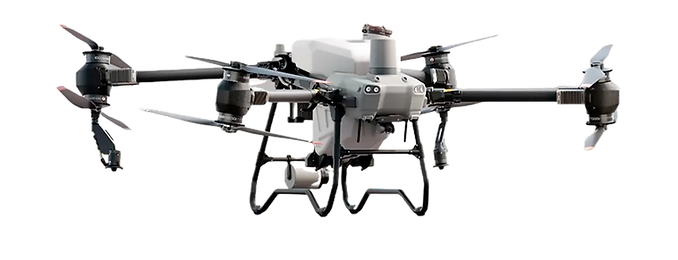
cost saving resale value strong spray drone brands?
Beginning
Plant covers grant numerous strengths to substrate vigor and agronomic procedures. For optimizing these outcomes, tillers are steadily incorporating innovative platforms like focused aerial embedding. This approach capitalizes on UAVs equipped with trackers to efficiently embed vegetative seeds directly into the field. By enhancing seed dispersion and compactness, precision aerial seeding promotes sturdier cover crop formations, which improve to better soil condition.
Pioneering Drone Agriculture Techniques
Flight devices have surfaced as a innovative means in plantation management, granting a singular practice to field operations. These remotely controlled flyers are equipped with high-tech spray devices that can finely tuned apply herbicides to crop areas with negligible environmental footprint. Compared to established means, drone spraying ensures several benefits. First, it permits for precise application of treatments, lessening the overall quantity used and limiting dispersion. Second, drones can penetrate isolated territories that are usually inaccessible to ground-based machinery. This enhances coverage and performance. Finally, drone spraying cuts down labor costs and drone spraying services deploys farmworkers for other duties. By employing the use of drones in cultivation, tillers can increase yields, diminish production costs, and endorse sustainable farming procedures.Utilizing Drones for Optimal Crop Protection
State-of-the-art plantation management is growingly utilizing pioneering systems to increase productivity and returns. Among these, drones are emerging as a major development, offering accurate crop protection methods. Equipped with specialized detectors and instruments, drones can efficiently survey vast fields, discovering pathogens at their onset. This real-time feedback allows growers to implement targeted actions only where desired, minimizing the use of formulations and curtailing environmental damage.
- Furthermore, drones can be used for other necessary responsibilities such as plant health assessment, ensuring maximum crop growth and maximizing overall productivity.
- Ultimately, the integration of drones in agriculture indicates a renewable future, refining farming practices for a more profitable food supply.
Elevating Agricultural Yield with DJI Sprayer Drones
DJI UAV sprayers are transforming advanced farming by supplying growers with a high-impact tool for crop security. These UAVs can instantly cover massive areas, precisely applying growth supplements and plant protectants to crops. This targeted application diminishes the amount of products used, preserving the environment and enhancing overall crop gain.
Air-distributed Sowing: Nurturing Environmental Sustainability
Aerial seeding provides a transformative approach to reforestation, offering a nature-friendly solution for regrowing degraded biomes. By scattering seeds from the air, this practice allows for efficient coverage of wide areas, overcoming barriers posed by historical approaches. Aerial seeding aids the propagation of native natural growths, contributing to biodiversity.
What's more, aerial seeding cuts manual effort, facilitating the reforestation process. This method holds marked potential for combatting environmental degradation and advancing a more enduring future.
Elevating Farming with Drone Technology
Pilotless machines are expeditiously changing the landscape of farming. These remote-controlled aircraft supply farmers multiple benefits, improving efficiency and production. Drones can monitor crops from above, detecting areas that need intervention. This pre-emptive detection grants farmers to address issues while they develop, curbing crop damage and improving yields. Additionally, drones can deliver fertilizers and pesticides with specificity, lessening the amount of compounds used and minimizing environmental impact. This green approach to farming is rising in prominence as farmers seek to better their operations alongside protecting the planet.Optimizing Agriculture with Aerial Robotics
Targeted farming is transforming the way crops are grown, and drones are playing a crucial role in this change. Equipped with cutting-edge instruments and cameras, these remote flying machines provide cultivators with important information about their fields, empowering them to make smarter decisions. Drones can monitor vast areas of land swiftly, detecting issues such as nutrient deficiencies, pest infestations, or irrigation problems. This real-time assessment allows farmers to target specific areas in need, advancing resource distribution and improving crop yields.
Equally important, drones can be used for a collection of other tasks in precision agriculture, such as implementing fertilizers or pesticides with greater accuracy and productivity. They can also be used for broadcasting crops, measuring fields, and even tracking livestock. The versatility of drones makes them an essential tool for modern farmers who are seeking to increase growth, reduce costs, and minimize their environmental consequence.
Expanding Beyond the Horizon: Aerial Coverage for Maximum Impact
In contemporary fast-paced world, capturing unrivaled coverage is critical for obtaining success. Elevated vantage points offer a distinctive and dynamic way to present events, landscapes, or projects in a way that traditional ground-level coverage falls short of. From framing stunning aerial photography to furnishing critical insights through drone mapping, the possibilities are unrestricted. By leveraging aerial coverage, businesses and organizations can amplify their impact, expressing stories in a way that is both enthralling and educative.
The Rise of Drones in Agriculture: Targeted Pest Management
Latest agriculture is markedly accepting innovative procedures to raise farm productivity. Among these refinements, drone-based spraying has surfaced as a highly effective approach for precise pest management. Drones equipped with specialized spray nozzles can carefully apply herbicides directly to target areas, minimizing spread. This targeted application lowers the overall extent of chemicals required, contributing to a more environmentally conscious farming practice. Furthermore, drones can speedily cover large fields, saving time and human effort compared to traditional spraying methods.
- Advantages of drone-based spraying include:
- Heightened precision in application,
- Lowered chemical usage,
- Amplified crop health,
- Efficiency
Remodeling the Landscape of Cover Crop Establishment
The agricultural industry is experiencing a conspicuous shift with the advent of drones in cover crop establishment. These unmanned aerial vehicles offer unprecedented precision and efficiency, revolutionizing traditional methods. Drones can meticulously sow seeds across large areas, ensuring uniform coverage and perfecting germination rates. This technology also allows for live monitoring of cover crop growth, enabling farmers to diagnose potential issues early on and apply timely interventions. Furthermore, drones can curtail labor costs and environmental impact by removing the need for manual seeding and chemical applications.
The incorporation of drones in cover crop establishment offers a earth-conscious solution for enhancing agricultural practices. By harnessing the power of drone technology, farmers can enhance crop yields, strengthen soil health, and contribute to a more green food system.
Harnessing Technology for Optimal Crop Production: Aerial Seeding and Spraying
Flight-deployed seeding and spraying have unfolded as revolutionary tools in precision agriculture, facilitating farmers to increase crop yields and resource expenditure. By employing specialized aircraft equipped with state-of-the-art technology, these practices assist the precise application of seeds and chemical treatments directly to fields. This targeted approach minimizes waste and enhances crop health by supplying essential inputs exactly where they are needed.
- What's more, aerial seeding allows for the planting of crops in areas that are isolated fields using traditional methods, expanding farming possibilities and augmenting agricultural production.
- Concurrently, aerial spraying provides a efficient means of applying crop defense products to attack identified problems, minimizing the risk of infestation and conserving crop health.
To sum up, aerial seeding and spraying highlight the power of precision agriculture in modernizing farming practices. By leveraging innovative technologies, these methods support eco-friendly food production, ensuring a abundant agricultural sector for the future.