Can Chinese Herbs for Women provide natural support for fertility and cycle regularity?
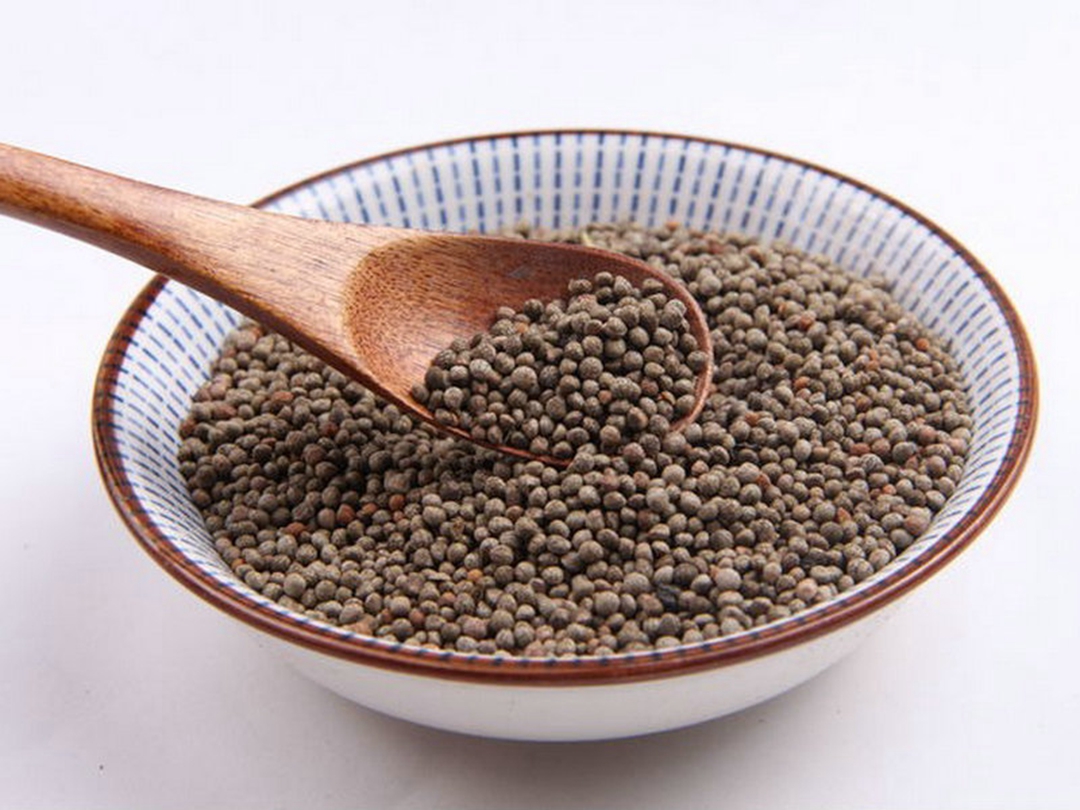
Initiating an exploration alongside Oriental flora therapy exposes a universe of equilibrium and weighty perception.
Engaging different herbal portions such as anchors, foliage, blooms, nuts, and even crystals, addresses the underlying causes of malady while aiding ongoing wholeness. Engaging a credentialed specialist is suggested before commencing any natural regimen.
The might of convention: studying classical Classical remedial flora
For epochs, conventional Classical medicine has relied upon a vast and sophisticated familiarity of the wild field, particularly its unbelievable selection of botanicals. This ancient approach, passed down through generations, draws upon these therapeutic compounds – like ginseng, astragalus, and turmeric – to reclaim the body’s vital power, known as Qi. The philosophy behind their operation isn’t simply about managing signs; it’s a comprehensive approach aimed at addressing the primary basis of disease, working with the body’s fundamental ability to regenerate. Many contemporary specialists are now opening to examine and validate these classic Chinese mixtures finding evidence endorsing their success, revealing the permanent potency and meaningful understanding contained within this age-old framework of medical service.
Traditional Chinese Phytomedicines: Uses, Utilizations, and Security Concerns
For epochs, Chinese practices have utilized a broad array of herbal solutions for addressing various maladies. These herbal treatments, sourced from multiple environments, are presumed to realign energy within the flesh. Common applications extend to supporting defensive capacity, reducing swelling, and promoting digestive processes.
- They usually be prescribed in compound mixtures prepared for the individual's individual configuration.
- Typically preferred remedies like ginseng, ginger, turmeric, and astragalus present various potential benefits.
- Although widely accepted as, Chinese medicinal herbs are potentially problematic.
Legacy Herbal Medicine: The Approach It Works & What Conditions It Treats
Ancient Chinese healthcare herbalism is a detailed system of healing art that’s been practiced for multiple years. Rather than concentrating on unique effects, TCM interprets the body as an overall body and targets to restore balance to its vital energy, or "Qi" (pronounced “chee”). Herbal formulas are meticulously designed by skilled healers who evaluate a patient’s individual constitution of disharmonies – considering factors like pulse diagnosis, tongue observation, and general health history. The herbs themselves aren’t seen as simply suppressing a problem; instead, Chinese Herbal Wellness they focus on correcting the core problem through diverse activities, including boosting bodily operations, promoting flow, and replenishing shortages.
- Tonifies Qi
- Manages intrinsic organs
- Breaks up stagnant energy
Investigating Traditional Chinese Flora for Optimal Health
For millennia, Traditional Chinese Medicine (TCM) has used a significant range of herbs to promote soundness. These organic cures, strategically obtained and integrated, offer a unique approach to handling the root causes of unevenness within the body. Investigating these mighty botanicals—like ginseng, astragalus, or goji berries—can be a fascinating endeavor toward achieving optimal health and recovering your natural equilibrium. Many clients are now searching for this time-worn wisdom to strengthen modern clinical procedures and undergo the profound benefits these herbs can present. It’s paramount to see a credentialed clinician before beginning any new phytotherapy schedule.
Any Comprehensive Review into Popular Chinese Traditional Therapies
For eras, Chinese healthcare has made use of a massive collection of natural medications, and many remain considerably popular today. Ginseng is perhaps the most renowned, believed to increase energy levels and overall vitality. Then there’s Curcuminoid herb, increasingly celebrated for its potent anti-inflammatory properties, often combined with peppercorn to improve absorption. Radix astragali, another significant herb, is thought to build the immune system and support healthy lung function, while Lycium barbarum are valued for their oxidant-blocking and contribution to eye health. These are just a few examples of the powerful plants used in this ancient practice – each with its own unique chronicle and applications.
Connecting Chinese Herbalism with Western Medicine
The surging interest in multidisciplinary approaches to condition has fueled a remarkable exploration of incorporating Chinese organic cures with accepted healthcare. This expanding field intends to leverage the unique strengths of both systems, potentially maximizing patient outcomes for a wide range of conditions. Researchers are increasingly evaluating ways to correctly incorporate these old practices, often alongside routine medical treatments, while following the importance of empirically proven protocols and patient safety.
Appreciating the Core Concepts Behind TCM Herbal Formulas
Investigating Traditional Chinese Medicine’s (TCM) herbal techniques uncovers a fascinating system far beyond simply joining herbal medicines. The starting point of TCM formulation lies in recognizing the intricate link between yin and yang, the Five Elements (wood, fire, earth, metal, water), and the patient’s singular structure. Each herb possesses special properties – its dynamism (warming, cooling, moistening, drying), taste characteristic (sweet, sour, bitter, spicy, salty), and meridian focus – which guide how it contacts the body. Master herbalists meticulously review these factors to create a combined formula; one where herbs combine to tackle the principal cause of an complaint rather than merely masking outcomes.
- Force Alignment: Blends endeavor to achieve a balanced combination, often matching warming and cooling herbs or moistening and drying ones.
- Pentad System: This informs the choice of herbs to modulate dysfunctions within this cyclical system – for instance, using fire-element herbs to support earth-element deficiencies.
- Bespoke Application: A unique disorder (like a headache) may be handled through completely different herb combinations depending on the patient’s essential temperament (overactive warmth, deficiency cold, etc.).
Every Science Joins Tradition: Scrutiny on Ancient Medicinal Vegetal Remedies
For ages, classic Chinese medicine has utilized a extensive set of herbs to handle various conditions. Now, modern science is embarking on studies about these practices, engaging sophisticated techniques to substantiate the efficacy and uncover the mechanisms behind them. Analysts are analyzing the material bases of these natural remedies, investigating their impact on biological functions, and seeking to find active chemicals that can be further developed into new treatments. This juncture of cognition from ancestral practices and current scientific discipline promises to unearth a deeper appreciation for the capacity of Chinese medicine while also facilitating judicious and evidence-based approaches to its use.