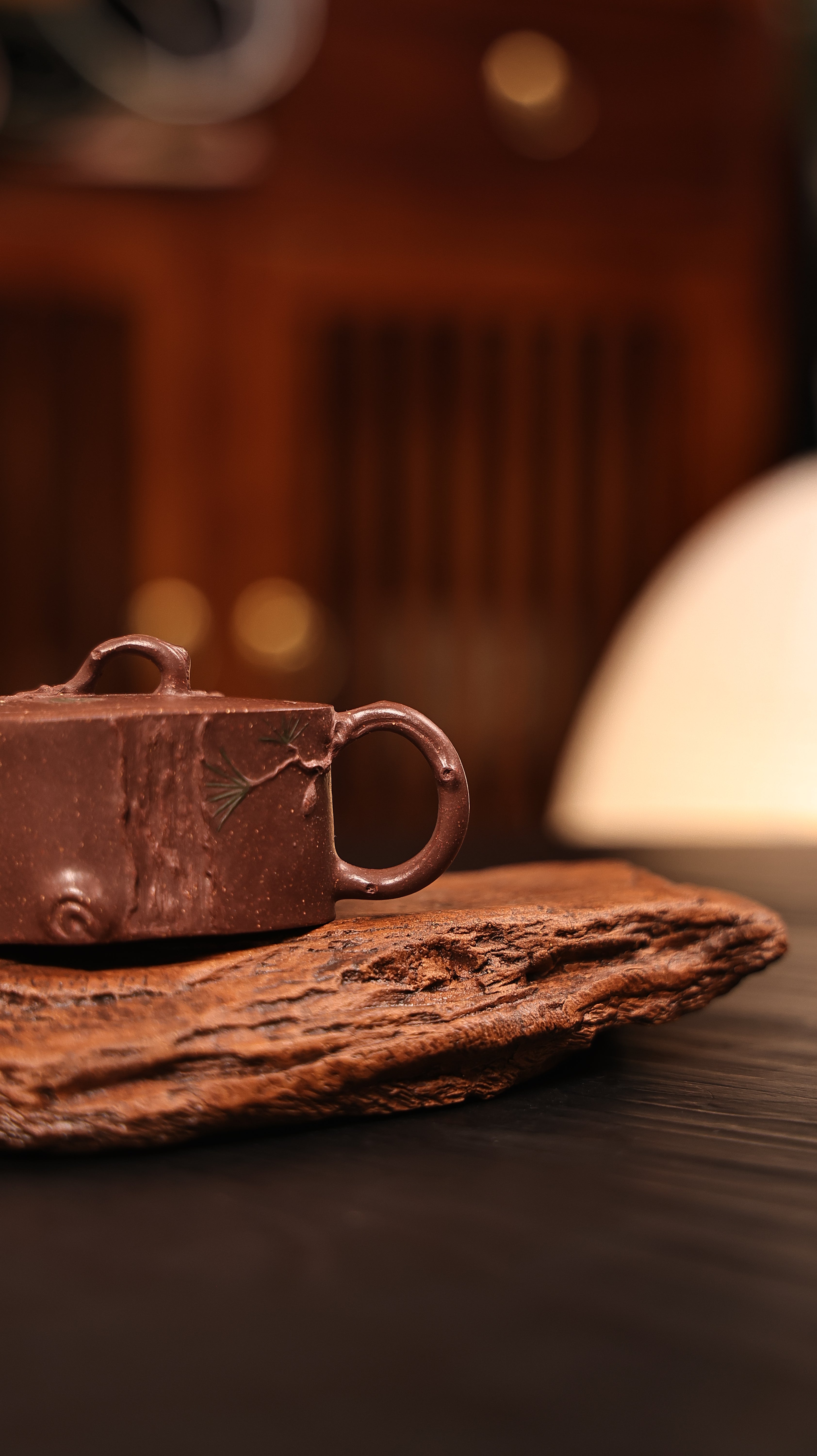
Can a heritage-rich Chinese Teapot help your brand stand above commodity sellers?
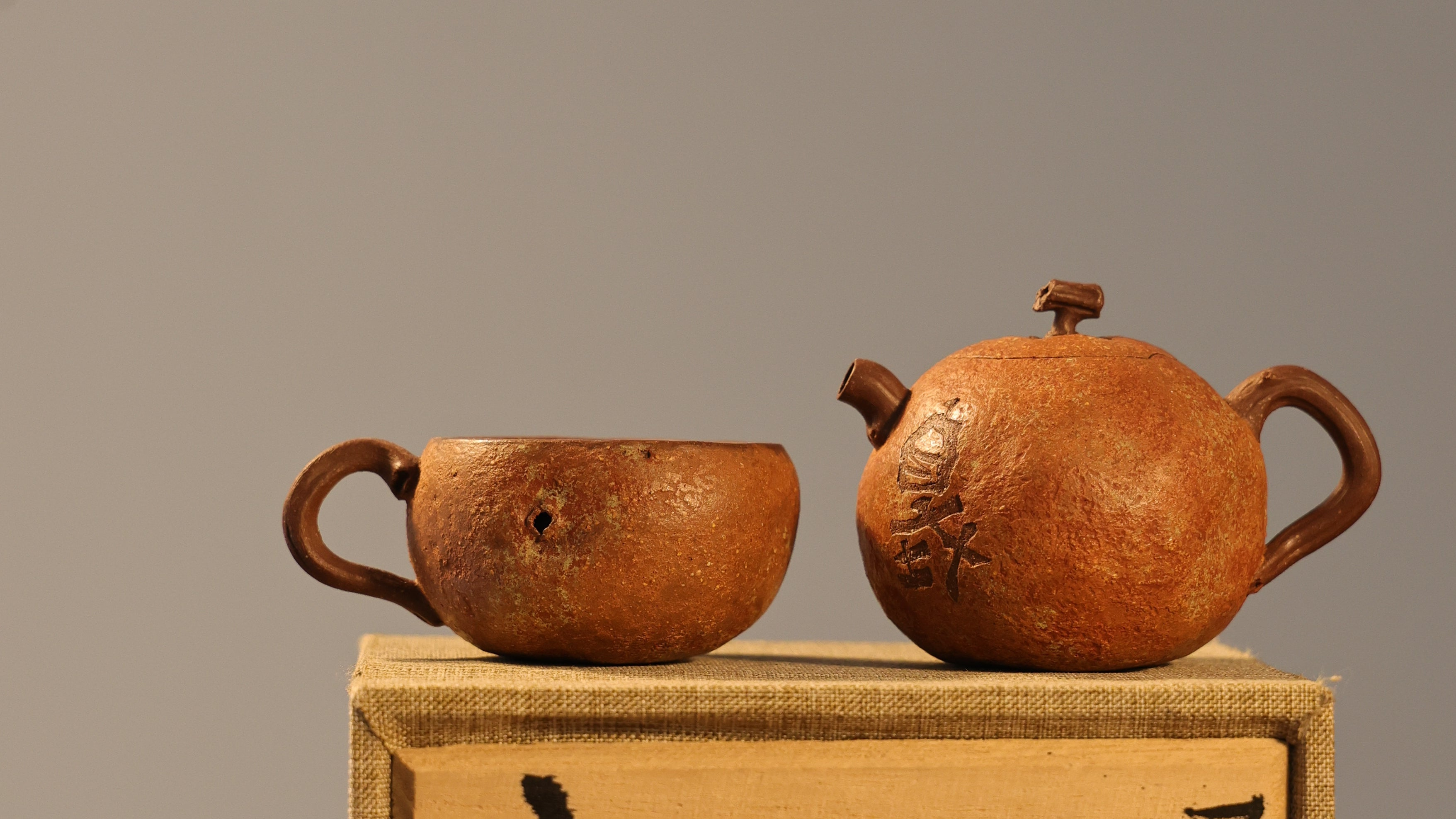
Within the domain of lasting customs,
For generations, gatherers have been engaged by the distinctive charm of Yixing Zisha kettles. Originating from the territory of Yixing in the nation of China, these containers are renowned for their illustrious beauty, singular clay, and inherent ability to enhance the flavor of tea. The clay's distinctive purple-red hue, combined with the skillful workmanship of Yixing's fabricators, creates artworks that are at once functional objects and treasured properties. Possessing a Zisha teapot is more than just certain purchase; it's adopting a rich heritage heritage.
Exploring Yixing Teapots: Origins, Types, and Esteem
Famous Yixing teapots manifest a extensive heritage deeply intertwined with Chinese culture. Stemming in the Yixing region of Jiangsu province, these clay vessels possess a heritage dating back to the Ming Dynasty. Preceding examples were functional, but along centuries, Yixing teapot manufacturing evolved into an esteemed art form. The clay itself, known for its unique character and ability to improve the flavor of the tea, lasts a defining factor. Yixing teapots manifest in various designs, broadly categorized by shape: Classic such as Zhuni (purple clay) and Bisheng, as well as refined designs. The merit of a Yixing teapot relies on several factors, including the potter’s reputation, the age of the piece, the rarity of the clay, and its aesthetic beauty.- Heritage: Centuries ago
- Medium: Different forms
- Valuation Parameters: Artisan fame
Zisha Teapot Mastery: Techniques and Potters
Unique crafting of a bona fide Zisha teapot is a complicated process, requiring generations of mastery. Expert artisans meticulously select the premier Zisha clay, a distinctive earth found only in specific regions of China. Heritage-based techniques, often handed down through families, involve rigorous shaping, refined carving, and patient firing in ancient incinerators. The ultimate teapot isn't merely a object; it's a testament to innovative vision and the deep connection between the craftsman and their background. Each teapot showcases the singular touch of the artisan, resulting in a truly incomparable work of craft.
Ancient Teapots: Investigating the Comprehensive Legacies of Yixing Domain
The Chinese Teapot Yixing City, established in Jiangsu the province of Jiangsu, is worldwide renowned for its exceptional culinary pots – a tangible representation of centuries of Chinese culture. These aren't merely vessels for creating tea; they are intricate works of artistry, often reflecting spiritual ideals. Such unique purple clay, known as Zisha, possesses remarkable qualities: the substance dense, letting air through, and imparts a subtle flavor to the tea.
- Countless ancestries have honed the techniques of Yixing earthenware making, passing down ancient methods through eras.
- Fans prize these pieces for their aesthetic and infrequency.
- Various piece tells a tale, connecting the enjoyer to a rich background.
Entering Yixing Zisha: Key Considerations
As examining collecting Yixing Zisha earthen pots, several elements require careful consideration. Primarily, the substance's cast is essential; authentic Zisha typically exhibits a unique reddish cast. In addition, scrutinize the workmanship; distinct aspects and a polished coating reveal accomplished production. To finish, examine the artisan's standing; well-known names obtain superior costs and often guarantee a stable appreciation.
Zisha Teapot Tea Brewing Mastery
Creating sumptuous tea with a Zisha jar is more beyond a simple procedure; it's an discipline. Zisha clay, celebrated for its unique structural composition, imparts a light character to the processed tea that’s often not found with other vessels. The proper water temperature is key; typically, reduced than what's used for black tea, to keep the tea's scent and flavor. Consider scrupulously the tea kind; delicate green teas or aged pu-erhs gain from the Zisha’s ability to mellow their basic edge. It’s pivotal to heat the teapot ahead of brewing, and to avoid over-steeping. Mastering this procedure leads to a sincerely exceptional tea enjoyment.
- Recognizing Zisha Clay
- Heat Intensity & Tea Selection
- Value of Warming Up
Caring for Your Celebrated Pot
To sustain the existence of your treasured Yixing container, consistent care is critically essential. Shun using cleaning agents; instead, non-aggressively flush it with warm aqueous substance. Steer clear of unexpected shifts; refrain set the ceramic pot directly onto a fiery stand. Periodically, mature the urn by infusing it with first-rate dark infusion, as this improves to improve its nature and safeguards the peculiar qualities of the medium.
From Material to Receptacle: The Process of a Famous Pot
This creation of a Zisha teapot is a notable technique, a evidence to both the earth's bounty and the craft of the handworker. It commences with the diligent extraction of the rare clay from the reddish Zisha mines neighboring Yixing. This prime material, known for its superior traits, is then measuredly purified and molded for the foundational forming. The teapot's design is masterfully assembled using a combination of time-honored molding strategies, often incorporating intricate embellishments. Following maturing, the urn undergoes a indispensable first firing, followed by a coating stage, which might involve numerous layers of authentic Zisha paints. Finally, a second, and sometimes third, firing at maximum temperatures brings the creation, revealing its conclusive beauty and extraordinary characteristics - a bona fide masterpiece, arranged to compliment a tea custom.
{Yixing Teapots: A Symbol of Chinese Heritage and Esteem
Renowned Yixing teapots, originating from the distinguished Yixing region of Jiangsu province, are far more than mere wares for brewing liquids; they represent a meaningful aspect of Chinese society. Fabricated from distinctive purple clay – zisha – these special teapots are highly admired for their ability to refine the flavor of the tea and, crucially, for their elegance. The chronicle of Yixing teapot making spans centuries, and the technique involved is entrusted through generations, making each teapot a decorative item that embodies traditional techniques and a profound appreciation for the minimalist pleasures in life.