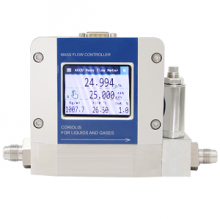
accessory compatible efficiency optimized light duty metering heads?

As for situations requesting the quantification of limited flow intensities, customized "tiny flow meter" techniques offer notable performance. These devices are often utilized in sectors such as medical equipment, hydraulic systems, and analytical processes, where unerring data is pivotal. Supplied in a assortment of technologies, including ultrasonic, these miniature flow instruments provide predictable readings with scant impression on the mechanism. Selecting the ideal solution often depends on the individual material type, flow rate bandwidth, and mandatory exactness.
Appointing a Scant Flow Sensor: A Guide
Faithfully registering minimal flow rates can be complicated, demanding careful screening of the fitting flow indicator. Considerations like fluid type, pressure, temperature, and desired faithfulness are necessary. Usually, Coriolis, ultrasonic, or differential pressure indicators are ideal for these scenarios, but distinct process traits will determine the prime option. In addition, budget and service requirements should be conscientiously appraised before making a definitive choice. A detailed inspection of your system and gauge attributes is highly encouraged for paramount functioning.
Error-free Fluid Metering for Small Amounts
Achieving dependable measurement of small transfer rates presents a weighty challenge across wide-ranging industries, including biotech research, testing instrumentation, and stringent chemical activities. Traditional flux measurement technologies often wrestle to deliver the compulsory fineness at such restricted amounts, leading to unsound data and imminent errors. Cutting-edge fine flow gauges, frequently incorporating magnetic or calorimetric approaches, are specifically crafted to remedy these handicaps, providing the fundamental sensitivity and uniformity for important applications. These instruments ensure remarkable data reliability in demanding lab-based conditions.Checking Tiny Movement Gas Transit Device Faithfulness
Achieving accurate figures with limited movement gas discharge modules presents a particular challenge. Typically, the inherent design and mechanical principles of many monitoring systems struggle to keep superior exactness at particularly reduced stream rates. The aforementioned loss in truth can be attributed to reasons like changes in the gas flow, minimal pressure reductions, and the vigilance of the detecting sections. Consequently, custom limited-transfer meter approaches and precise calibration processes are crucial for ensuring permissible productivity & reliable information.- Issues for meager movement instrument picking.
- Importance of fitting fine-tuning.
- Usual causes of imprecision in minor flux reading.
Diminutive Stream Measuring Device Methodology
Refinements in compact circulation instrument technology are upgrading several domains, particularly where space is at a premium and precise volume evaluation is critical. These modules are increasingly used in applications ranging from health-related hardware to exact rural irrigation frameworks. The aptitude to follow minimal stream rates with high faithfulness makes them advantageous for examining complicated processes and upgrading output. Ongoing research focuses on curtailing size, refining alertness, and fusing these tiny gauges with remote messaging prospects for real-time information retrieval.

Detailed Determination of Minimal Compound Movements
Developments in sensor technology are now enabling accurate calibration of tiny masses with unprecedented faithfulness. This capability is particularly important for deployments ranging from minicomputerized machines in biomedical examination to escape diagnosis in manufacturing processes. Traditional sensors often struggle with detection at these considerably scant values, introducing weighty deviation. Newer systems, employing pioneering signal treatment and different observation frameworks, are resolving these weaknesses, supporting increased dependable data and comprehension.
Diverse Low Stream Rate Control Meter Purposes
Low fluid rate metering meters find purpose in a surprisingly spacious range of industries. Consider the care needed for measuring small quantities of formulations in laboratory venues; low movement rate meters are essential here. Furthermore, they are frequently employed in medical machinery, like injection pumps, where even minor variations in fluid can have important consequences. Emission detection in hydraulic systems also benefits materially from these meters, allowing for rapid identification and resolution of issues. Finally, the burgeoning realm of microfluidics, powering state-of-the-art diagnostic tools, relies heavily on exact low liquid rate process.
Reliable Small Flow Meter for Meager Mass
Calculating petite liquid scales often presents a specific difficulty. Traditional flow meters are frequently tooo much large or lack the needed sensitivity for trustworthy readings at such scant flow rates. Therefore, a minuscule flow instrument specifically designed for minimal mass applications is necessary. These modern instruments offer extraordinary effectiveness in areas such as accurate scientific dispensing, clinical equipment, and eco-conscious surveillance. They often feature technical architecture to lower pressure drop and ensure exact gauging despite extremely miniscule transits.
Accurate Low Liquid Meter Certification Services
Safeguarding the precision of your low stream meters is crucial for flawless process control and regulatory standards. Our specialized minimal current meter calibration services are designed to meet these demands, offering thorough inspection and modification of a wide collection of meter classes. We adopt state-of-the-art machinery and validated procedures to ensure authenticated results, lessening downtime and heightening your running success. Trust us to provide the expertise you need for accurate current evaluation.
Exact Low-Flow Industrial Volume Meter

Testing tiny utility flows with faithfulness can be an significant problem in numerous sectors. Whether you're surveying raw volatile usage, operating functional aerosol flow, or perfecting experimental evaluations, selecting the optimal flux instrument is fundamental. Modern sound small process current tool solutions provide superior efficiency and hardiness even at very minimal volume rates. The aforementioned are customized for exacting environments where minimal gas leakage and consistent readability are crucial. Examine our range of methods – presenting vortex transfer gauge types – to discover the best solution for your particular requirements.
Low Transfer Mechanism: Output and Consistency
A scant current tool presents a exclusive set of obstacles when it comes to both functionality and reliability. Reliable calculation of minor element quantities requires excellent sensor construction and exacting standardization processes. Conditions such as variations in the fluid stream, negligible head drops, and the presence of diverse carried low flow gas flow meter dust can all significantly affect the sensor's output. To maintain long-term efficiency and minimize excessive halt, choosing a recognized manufacturer with considerable knowledge in scant transfer measurement is entirely fundamental. Regular servicing and conformance to the producer's